WHY ATTEND
Why Australia's Energy and Resources Operators and Project Leaders Cannot Afford to Miss This
1. The Build Is Live and the Pressure Is Greater Than Anyone Planned For
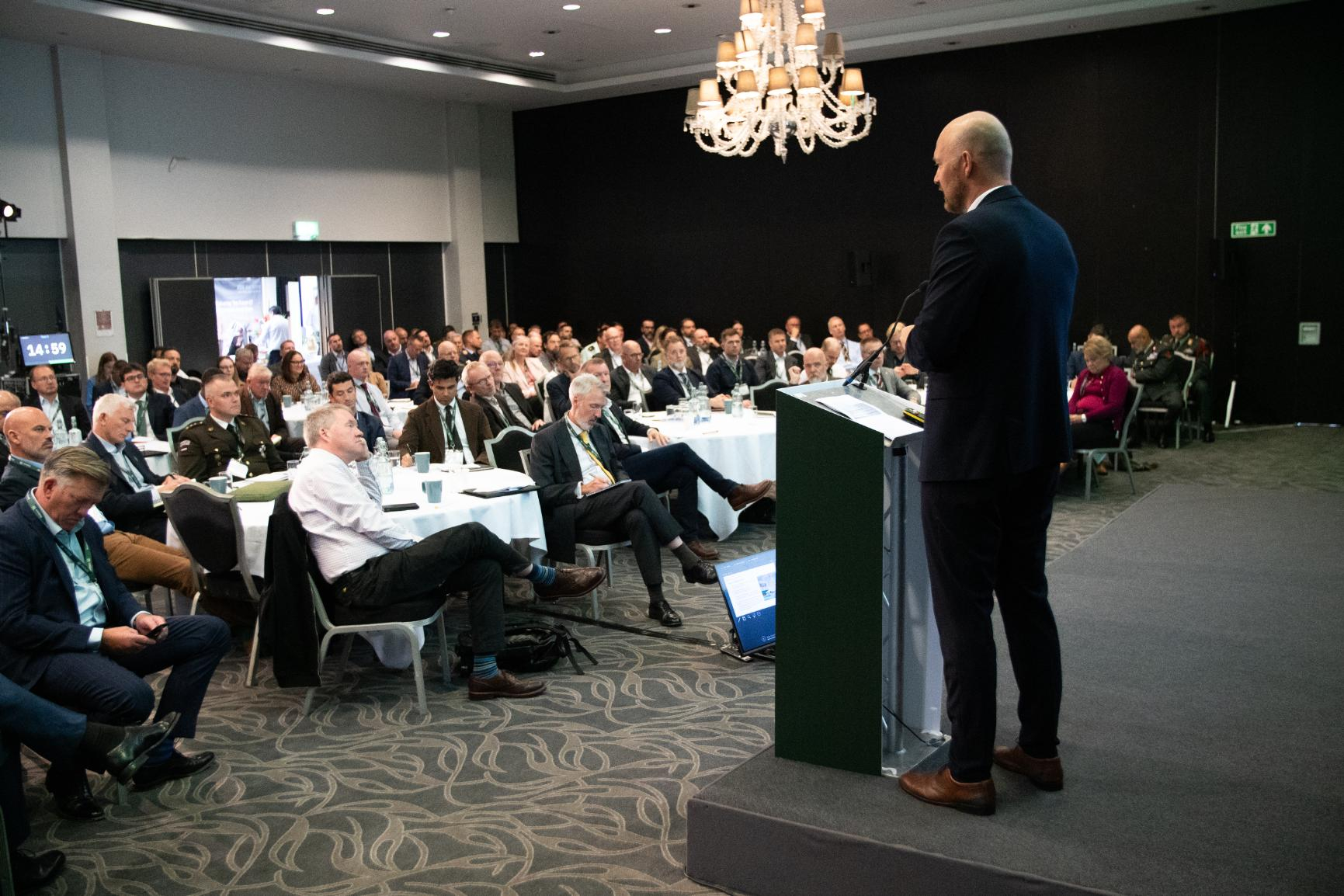
Australia's energy and resources build is the largest in the nation's history. It is also the most exposed. Supply chain constraints, cost escalation, workforce shortages, and approval bottlenecks are hitting simultaneously across every active program. This is where the leaders managing it come to get ahead of it.
2. Your Supply Chain Has Exposures You Haven't Mapped Yet
Most operators know their first-order constraints. They don't know what sits beneath them. The single shipping route two contracts depend on. The one upstream supplier also servicing three competitors. The component manufacturer running at capacity with no surge capability. This is where you find out before it breaks.
3. Your Budget Was Built for a World That No Longer Exists
Fuel, input, subcontractor, and contract costs have shifted permanently. The organisations still treating this as cyclical are planning on a misdiagnosis. The ones that have accepted the new baseline and rebuilt their commercial models are the ones still in control. This is where you see specifically how they did it.
4. Half the Projects in This Room Are at Risk. You Need to Know If Yours Is One of Them.
An evidence-based assessment of which categories of Australian energy and resources project are most at risk of significant delay over the next 24 months. And the four characteristics that determine which category your program sits in. This intelligence is not available anywhere else.
5. Your Assets Are Running in an Environment They Were Not Designed For
Maintenance components on extended lead times. Fuel costs structurally higher than operational budgets were built for. Run-risk decisions being made because the parts needed are unavailable. This is where operations leaders managing the same challenge compare notes on what is actually working.

6. The Delivery Model That Built the Last Generation of Infrastructure Won't Build the Next One
Fixed-price EPC. Just-in-time supply. Historical workforce assumptions. Every element of the traditional model is under stress on active programs. The practitioners who have moved to something different are delivering closest to schedule. This is where you find out exactly what they changed.

7. The Workforce You Need Is the Most Competed-For Resource in the Market
Every program in this room is competing for the same constrained pool. The programs that are delivering made their workforce decisions 12 to 18 months earlier than their competitors. For construction and for operations. This is where you hear specifically how they did it.

8. Approvals Are Adding Years to Programs That Are Ready to Build
Approval timelines of three to seven years built into programs that need to be operational in three to five. The organisations navigating this fastest have changed how they structure engagement, how they design programs, and how they manage the commercial consequences of delays. This is where those approaches are shared.

9. No Theory. No Safe Answers. No Conference Platitudes.
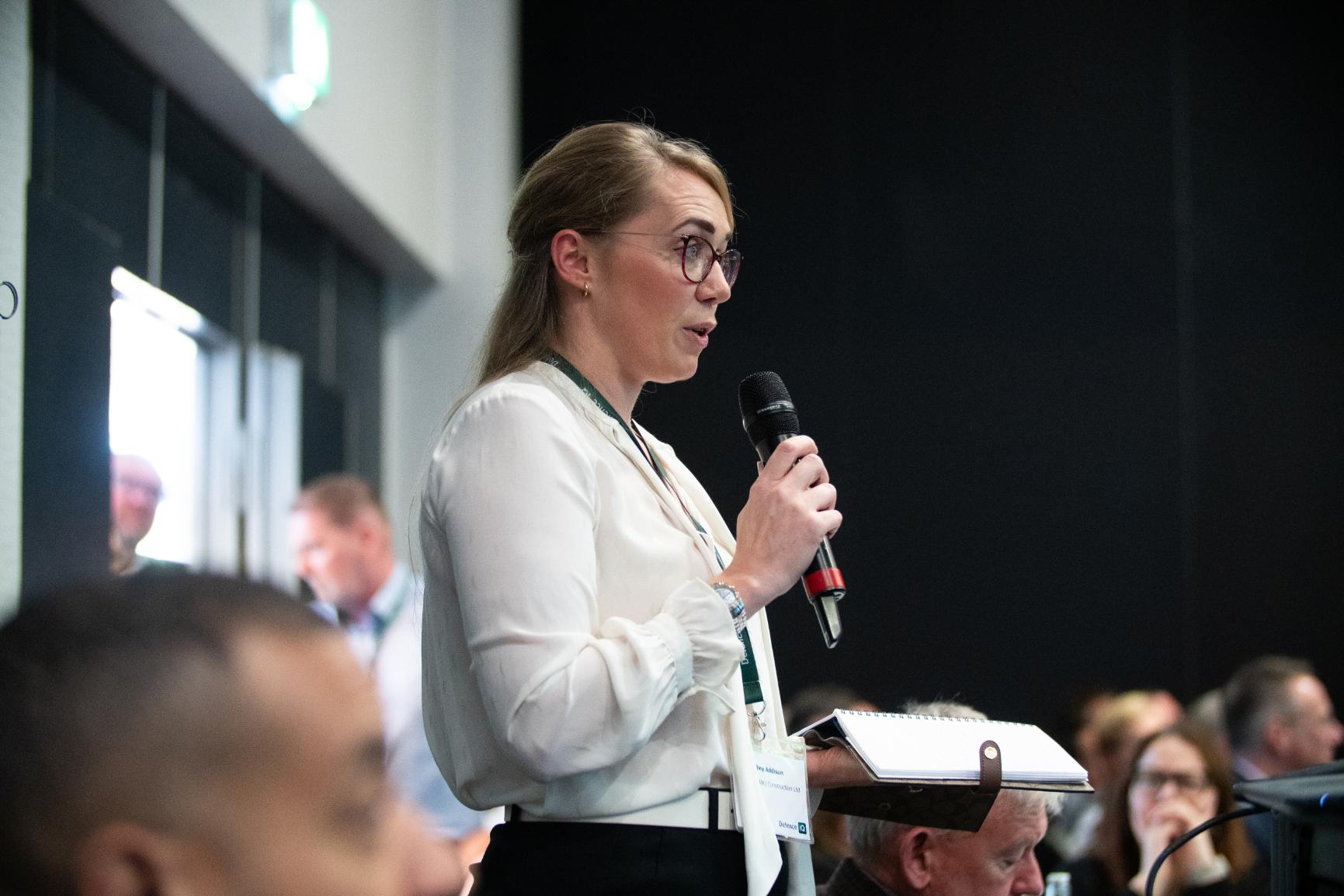
This is a practitioner event built around candid peer exchange. The sessions are structured around the real decisions practitioners are making on live programs. Not frameworks, not best practice, not thought leadership. The Chatham House principle applies. What is said in this room stays in this room.

10. If You're Not in the Room, the Decisions Are Being Made Without You
100 operators, project directors, and procurement heads. One day. The sourcing strategies, delivery model changes, workforce decisions, and commercial approaches that are keeping the most exposed programs on track are in this room. Not in a report. Not on a webinar. Here. The practitioners who leave with that intelligence will be making better decisions than the ones who didn't show up.