Delivering Water Security: Upgrading Assets, Reducing Loss, and Scaling Resilience
Summit Agenda | Wednesday, 28 October 2026
9:00 am - 9:10 am
Chair’s Opening Remarks
9:10 am - 9:30 am
Keynote Address
Kirsten Shelly GAICD -
Deputy Secretary, Water and Catchments,
Department of Energy, Environment and Climate Action

Kirsten Shelly GAICD
Deputy Secretary, Water and CatchmentsDepartment of Energy, Environment and Climate Action
9:30 am - 10:00 am
Keynote Panel: Australia’s Water Infrastructure Is Being Rewritten: What You Must Deliver Over the Next Decade
Jerome Douziech -
Executive General Manager, Built Infrastructure,
WaterNSW
Dr. Nicole Davis - General Manager Infrastructure Services, Icon Water
The pace of change across demand, climate and system performance is accelerating, requiring a reset in how water infrastructure is planned, prioritised and delivered
Defining the future state of water infrastructure required to meet demand, climate volatility and system resilience expectations
Prioritising large-scale renewal and expansion programs where risk, impact and investment are most critical
Aligning long-term infrastructure strategy with immediate delivery capability and execution constraints.



10:00 am - 10:30 am
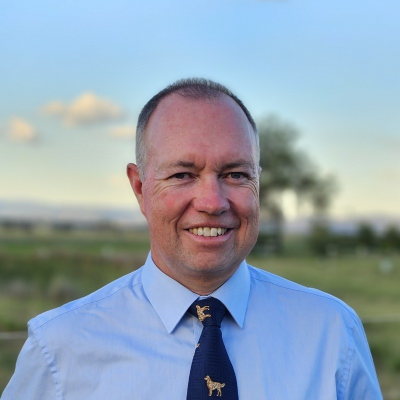
Case Study : From Ageing Water Assets to Reliable Networks: Lifting Performance Across Water Infrastructure
Glen Robinson -
Executive Manager Customer Delivery,
Hunter Water
Ageing assets, leakage and maintenance backlogs are placing increasing pressure on performance, reliability and cost across water networks
Identifying and addressing the highest-risk asset failures driving system instability and cost escalation
Accelerating reduction in non-revenue water through targeted, outcome-driven investment
Shifting from reactive maintenance to performance-led asset strategies that deliver measurable reliability improvements
10:30 am - 10:45 am
Speed Networking: Targeted Connections That Matter
10:45 am - 11:15 am
Panel Discussion: Water Demand Is Evolving Fast: Planning for Population Growth, Data Centres and Industrial Load
Dr. Nicole Davis -
General Manager Infrastructure Services,
Icon Water
Sarah Dixon - Executive General Manager, Seqwater
Demand is becoming more concentrated and complex, with new industrial users and population growth reshaping how water infrastructure must perform
Recalibrating demand forecasts to reflect high-intensity, non-traditional water users and concentrated load growth
Scaling infrastructure capacity to support urban expansion and emerging industrial demand without compromising system performance
Making strategic allocation decisions across competing residential, industrial and environmental water requirements


11:15 am - 11:45 am
Morning Break: Reconnect and Refocus
11:45 am - 1:15 pm
Interactive Discussion Groups: Focused Conversations That Drive Decisions
How utilities are using condition data and targeted intervention to improve performance across ageing infrastructure How utilities are using condition data and targeted intervention to improve performance across ageing infrastructure
Practical approaches to managing cost, risk and timelines across major infrastructure programs Practical approaches to managing cost, risk and timelines across major infrastructure programs
Integrating desalination, recycling and reuse into existing systems to improve long-term supply resilience Integrating desalination, recycling and reuse into existing systems to improve long-term supply resilience
Using real-time visibility and predictive insights to improve network performance and prioritise infrastructure investment Using real-time visibility and predictive insights to improve network performance and prioritise infrastructure investment
Balancing capacity expansion with operational efficiency across treatment, reuse and system integration Balancing capacity expansion with operational efficiency across treatment, reuse and system integration
Balancing competing network priorities to target the areas of highest loss, failure risk and performance impact Balancing competing network priorities to target the areas of highest loss, failure risk and performance impact
1:15 pm - 2:15 pm
Lunch: Connect and Continue the Conversation
Use this time to deepen conversations with peers, exchange perspectives on shared challenges, and build relationships that support ongoing collaboration and delivery Use this time to deepen conversations with peers, exchange perspectives on shared challenges, and build relationships that support ongoing collaboration and delivery
Rino Trolio - Head of Treatment Resource Recovery, Water Corporation
Ashley Webb - Head of Water Planning & Delivery, WaterNSW



Kathryn Turner - Manager Asset and Planning Co-ordination Treatment and Production, Queensland Urban Utilities
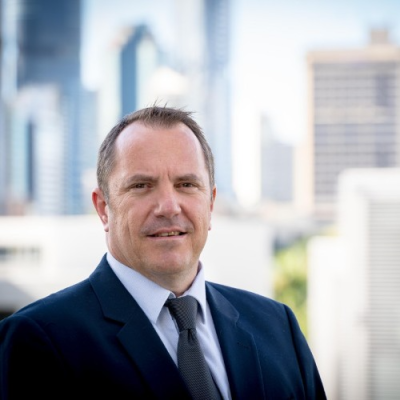
Justin Watts - Manager Infrastructure Delivery, Hunter Water
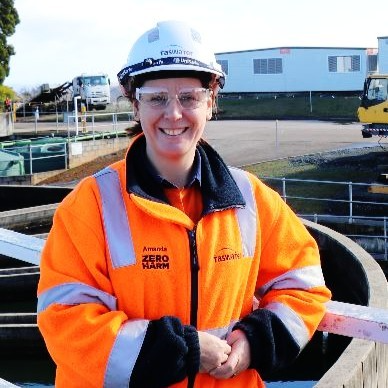
Delivering water infrastructure at scale is becoming more complex as cost pressures, workforce constraints and project risk continue to increase
Managing cost escalation across materials, labour and project delivery
Addressing workforce capacity and capability constraints across major programs
Strengthening risk management across planning, procurement and delivery phases
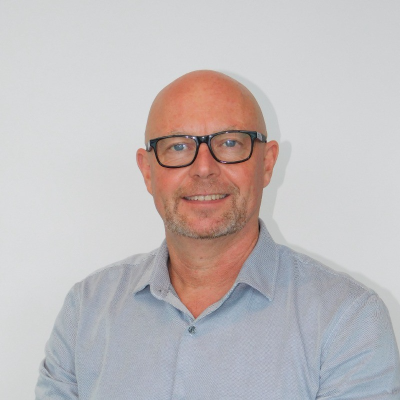

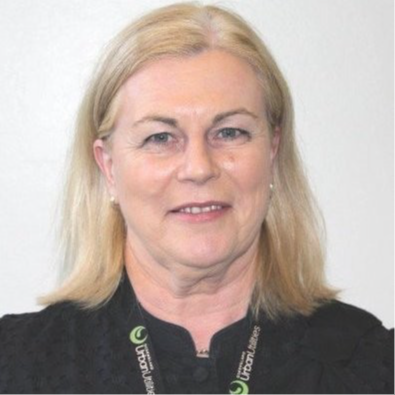
Kathryn Turner
Manager Asset and Planning Co-ordination Treatment and ProductionQueensland Urban Utilities

Climate variability, resource constraints, and rising expectations are reshaping the water sector
- Integrating water quality, water quantity, and system modelling to enable unified, enterprise-level decision-making
- Using science-led forecasting and advanced analytics to strengthen operational planning and system response
- Informing asset risk and adaptation strategies through modelling-driven insights
- Translating scientific insight into practical decisions that strengthen system resilience and service delivery outcomes
Approvals processes, stakeholder expectations and policy settings are increasingly influencing the pace and certainty of delivery
Streamlining approvals while maintaining compliance and stakeholder confidence
Managing community expectations and engagement to reduce delivery friction
Aligning policy and planning frameworks with infrastructure delivery outcomes
Water system performance is increasingly influenced by risks across the full supply chain, from catchment conditions through to network delivery
Managing catchment health and water quality risks before they impact treatment and supply
Strengthening coordination across source, treatment and distribution systems
Maintaining consistent performance and reliability across increasingly complex systems

Maintaining delivery momentum requires tighter control across program complexity, contractor performance and execution risk
Improving project controls to maintain schedule, cost and delivery certainty
Strengthening contractor and supply chain performance across major builds
Managing complexity across multi-project programs and competing priorities

3:35 pm - 3:45 pm
Solution Demonstration Drive: Solutions for Water Infrastructure, Performance and Delivery Challenges
Fast, focused demonstrations of solutions designed to improve system performance, reduce loss, strengthen water security and accelerate infrastructure delivery Fast, focused demonstrations of solutions designed to improve system performance, reduce loss, strengthen water security and accelerate infrastructure delivery
3:45 pm - 4:15 pm
Afternoon Break: Pause and Prepare for What’s Next
Take time to process insights from the day, reconnect with industry peers, and prepare for the final sessions focused on performance, sustainability and control Take time to process insights from the day, reconnect with industry peers, and prepare for the final sessions focused on performance, sustainability and control
4:15 pm - 5:50 pm
WATER PERFORMANCE, SUSTAINABILITY AND OPERATIONAL CONTROL
Improving system performance, delivering sustainability outcomes and strengthening control across assets, networks and operations at scale Improving system performance, delivering sustainability outcomes and strengthening control across assets, networks and operations at scale
4:15 pm - 4:35 pm
Case Study: Strategy to Execution: How Strategic Portfolio Management Navigates Complexity and Secures Water Infrastructure Delivery
As investment programs grow in size and complexity, utilities must strengthen how strategy, prioritisation and delivery capability connect to improve execution outcomes
Aligning portfolio management and governance frameworks with long-term infrastructure priorities
Improving capital allocation and prioritisation across competing investment demands
Strengthening portfolio visibility and capacity planning to improve delivery certainty
Moving beyond project tracking toward measurable delivery performance and benefits realisation
4:35 pm - 4:55 pm
Case Study: Sustainable Water Infrastructure at Scale- Delivering Efficiency, Reuse and Emissions Reduction
Rino Trolio -
Head of Treatment Resource Recovery,
Water Corporation
Sustainability requirements are becoming more integrated into infrastructure delivery, requiring a balance between environmental outcomes and system performance
Improving energy efficiency across treatment and network operations
Scaling reuse and recycling without compromising reliability or cost
Delivering emissions reduction alongside operational and financial performance
4:55 pm - 5:10 pm
Quick Fire Case Study: Digital Water That Delivers- Turning Data into Performance Across Water Assets and Networks
Andrew Demery -
Manager Enterprise Data Governace,
Sydney Water
Digital investment is increasing, with a focus on translating data and visibility into measurable improvements in system performance
Improving real-time visibility across assets, networks and operations
Using data to support faster, more informed operational decision-making
Integrating digital systems into existing infrastructure environments
5:10 pm - 5:25 pm
Quick Fire Case Study: From Reactive to Predictive Water Management- Using Data to Prevent Failure and Optimise Investment
Greta Pullen -
Non Revenue Water Manager,
South East Water
Moving toward predictive management is enabling more proactive decision-making across asset performance and investment planning
Identifying potential failures before they impact system performance
Prioritising maintenance and renewal based on risk and performance data
Improving long-term investment decisions through better asset intelligence


5:25 pm - 5:55 pm
Panel Discussion: What Gets Delivered Next in Water Infrastructure- Prioritising Investment, Projects and Outcomes
Omer Iqbal -
Senior Portfolio Manager - Investment PMO,
Sydney Water
Matt Daley - Acting Executive General Manager - Service and Asset Lifecycle, Melbourne water
Investment decisions are increasingly shaped by delivery constraints, system risk and long-term performance requirements
Prioritising projects based on impact, risk and delivery feasibility
Balancing competing investment demands across infrastructure portfolios
Aligning capital allocation with long-term system performance and resilience goals


5:55 pm - 6:00 pm
Chair’s Closing Remarks
6:00 pm - 6:50 pm
Networking Drinks Reception: Strengthen Connections and Continue the Conversation
Unwind with peers across utilities, government and delivery partners while continuing the day's discussions and building relationships that support future collaboration and infrastructure delivery Unwind with peers across utilities, government and delivery partners while continuing the day's discussions and building relationships that support future collaboration and infrastructure delivery