The Delivery Decade Starts Now: Modern Grids. Smarter Systems. Sustainable Futures: Powering Aotearoa's Energy Transition.
Agenda Day 1
Morning Track
9:00 am - 9:10 am
Chair's Opening Remarks
Michelle Polglase -
General Manager Projects Delivery,
Ara Ake


9:10 am - 9:40 am
CEO PANEL - No Filter: New Zealand's Energy CEOs on What's Really Happening
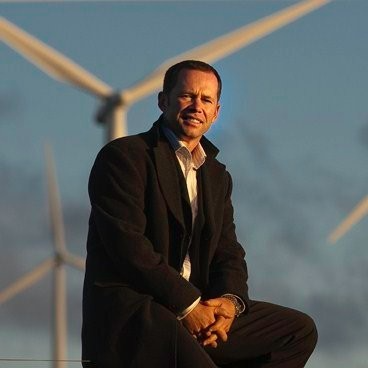
Mike Roan -
Chief Executive Officer,
Meridian Energy
The view from the Chief Executives. No slides. No prepared remarks - and the questions the sector needs answered about capital, delivery risk, regulatory settings, and the key priorities beyond 2026.
Where the major generators are committing capital right now - and what would accelerate or stop that commitment
The delivery risk no one is saying publicly: consenting delays, connection queues, and workforce gaps are already slowing the pipeline
What CEOs need from regulators, government, and each other to move at the pace the supply gap demands - and what they're not currently getting

9:40 am - 10:00 am
Partner Case Study
10:00 am - 10:30 am
Case Study - From Poles and Wires to Intelligent Networks: How Counties Energy is Building the Utility of 2035
Moonis Vegdani -
Chief Network and Digital Officer,
Counties Energy


10:30 am - 10:45 am
Speed Networking - Power Rounds: Find Your Three Most Important Conversations Before Lunch
Fast, structured, and deliberately useful. Six rounds of 90 seconds, prompted by challenge rather than job title - designed to surface the connections that actually matter in a room this valuable.
10:45 am - 11:15 am
Panel: Collaboration in Action: Industry, Government & Iwi on a Shared Pathway
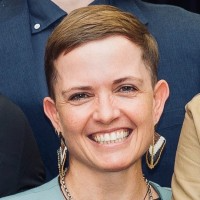
Caroline Ovenstone -
Chief Executive Officer,
Alpine Energy
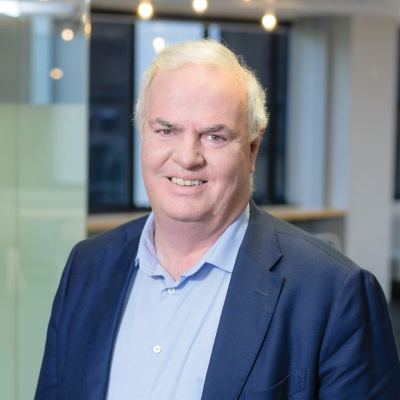
Dr John Small - Commissioner, NZ Commerce Commission
The energy transition cannot be delivered by any one sector working alone. This session examines where cross-sector collaboration is genuinely working - and where the silos are still slowing delivery.
The coordination failures costing the sector time and money: where misalignment between generators, networks, and government is compounding the delivery challenge
Iwi partnership in energy infrastructure - what genuine co-design looks like beyond consultation and why it produces better projects
The cross-sector commitments the industry needs to make - and hold - to close the 2030 gap as a system rather than as individual organisations


11:15 am - 11:45 am
Morning Break - Reconnect and Refocus
Step away to reflect on the key issues the Leaders' Morning surfaced, reconnect with peers facing the same challenges, and refocus. The exhibition floor is open.
IDG
Interactive Discussion Groups
11:30 am - 1:00 pm IDG A - Clearing the Connection Queue: What's Actually Blocking the Pipeline?Aligned to: Grid & Network Infrastructure
6 GW of enquiries, a growing queue, and timeframes already influencing investment decisions - where the real bottlenecks sit
What generators and developers need from Transpower and EDBs that the current process isn't delivering
The rule changes and process reforms that would have the biggest impact on connection pace in 2026
Interactive Discussion Groups
11:30 am - 1:00 pm IDG C - Powering Stability: Deploying Storage & Flexibility at ScaleAligned to: Energy Storage & Battery Technology
Operational realities from NZ's first grid-scale battery commissioning wave - what the investment case looks like after 12 months of real data
Revenue stacking in practice: frequency, reserves, and energy arbitrage - what's working and what isn't in the NZ market
What the second wave of storage projects needs to do differently based on first-wave learnings
Interactive Discussion Groups
11:30 am - 1:00 pm IDG E - The Smart Network: Reinforcing Grid Resilience Through TechnologyAligned to: Grid & Network Infrastructure
DSO transformation in practice - what active network management actually requires from EDBs that most aren't yet equipped to deliver
Cybersecurity for operational technology: the mandatory investment the sector is making and the gaps that remain
Dynamic line rating, advanced protection, and digital control - the tools unlocking additional capacity without new wire
Aligned to: EPC & Project Delivery
Supply chain, resourcing, and construction capacity - what the NZ market can and cannot absorb at current pipeline volumes
Permitting in practice: what Electrify NZ has changed, what it hasn't, and what needs to change next
The procurement reforms that the fastest-moving developers are using right now
Aligned to: Digital, Data & AI Solutions
Moving from pilot to production: why most AI and analytics projects in utilities stall before they deliver operational value - and how to fix it
Predictive maintenance, digital twins, and real-time control - where the gains are being captured in NZ networks
The data quality and integration problem behind every failed digital transformation in the sector
Aligned to: Engineering & Advisory Consultancies
Green hydrogen economics in the NZ context - where and when it becomes competitive, and which industrial applications make sense now vs. later
Industrial electrification vs. hydrogen: which hard-to-abate sectors should electrify and which genuinely need hydrogen
The energy supply partnerships that large industrials need to commit to decarbonisation - and what's stopping them from signing
Networking Lunch
1:15 pm - 2:15 pm
Networking Lunch Connect and Continue the Conversation
Join peers from across generation, networks, government, and industry. VIP Hosted Lunches run concurrently for invited guests - off-the-record discussion on the sector's most pressing challenges. By invitation only. Join peers from across generation, networks, government, and industry. VIP Hosted Lunches run concurrently for invited guests - off-the-record discussion on the sector's most pressing challenges. By invitation only.
Afternoon Track
2:15 pm - 2:35 pm
The Flexibility Gap: Why NZ's Markets Aren't Yet Delivering What the System Needs
Joel Cook -
Head of Strategy and Regulation,
Transpower
Joel Cook shares Transpower's dual perspective, as both grid owner and system operator, on where flexibility could genuinely relieve pressure on the network, and why funding, not appetite, is the real barrier holding the market back.
How flexibility could help defer or avoid transmission investment, from the grid owner's perspective
What demand side flexibility could unlock from the system operator's seat, and why current market design isn't yet pulling that value through
The honest barrier: why limited long term funding, not limited engagement, is holding flexibility markets back from scaling


2:35 pm - 3:05 pm
Panel Debate: The Connection Crunch: How to Deliver Faster, Smarter Grid Access
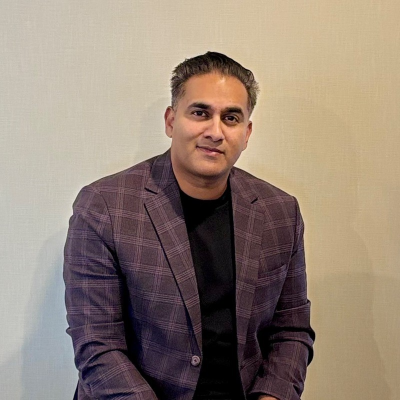
Marko Simunac -
General Manager Operations & Maintenance,
Vector Limited
Astad Kapadia - Head of DSO Strategy, Counties Energy
Adrian Nadan - General Manager Networks, PowerNet
Joel Cook - Head of Strategy and Regulation, Transpower
Generators, network operators, and the Electricity Authority debate what it would take to halve connection timeframes - and who needs to move first.
The commercial and regulatory changes that would have the biggest impact on connection pace
What Transpower's Net Zero Grid Pathways programme is delivering - and what it's not yet solving
Co-investment models and anticipatory investment frameworks that could break the logjam



3:05 pm - 3:30 pm
Case Study - Project Delivery Excellence: Lessons from New Zealand's Major Builds
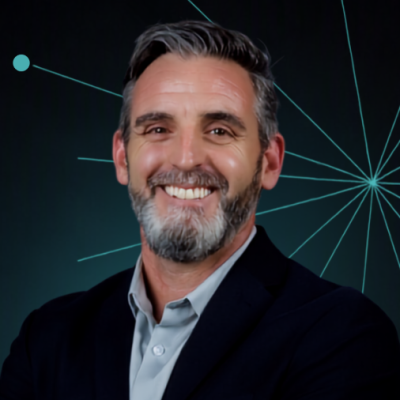
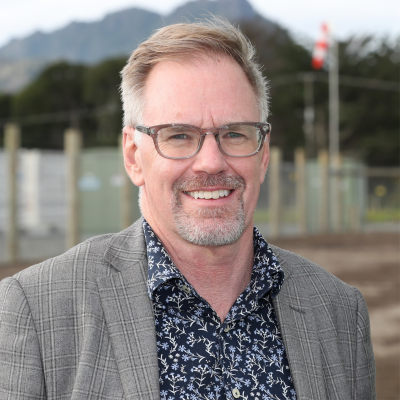
Chris More -
Head of Renewable Construction,
Meridian Energy
The teams behind NZ's most complex recent energy infrastructure projects share the decisions, systems, and partnerships that made delivery possible.
The contract and procurement structures that absorbed risk without slowing the programme
Supply chain management at scale: what worked when the global market was tight
The one decision that, looking back, determined whether the project succeeded

3:30 pm - 4:00 pm
Thought Leadership Session: What needs fixing to get New Zealand's energy sector back on track.
John Carnegie -
Chief Executive,
Energy Resources Aotearoa


Afternnoon Track
4:00 pm - 4:30 pm
Afternoon Break
Time to process the afternoon's insights, reconnect with industry peers, and explore the exhibition floor for the technologies enabling faster delivery, smarter storage, and more resilient networks.
4:30 pm - 5:00 pm
Case Study: Lodestone’s Large-scale Solar Portfolio Execution Plan.
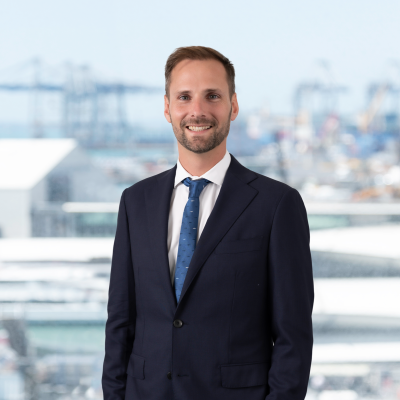
Gary Holden -
Managing Director,
Lodestone Energy
Lodestones Managing Director will present the important role large scale solar will play in meeting New Zealand's goal of obtaining an electricity grid free of high cost fossil fuels. He will outline Lodestone's 'Solar farm in every community' game plan and explain how residential customers can seek lower costs through rooftop or virtual rooftop energy plans.
He will highlight the challenges and opportunities of raising capital for a large portfolio of solar projects. Lodestones Managing Director will present the important role large scale solar will play in meeting New Zealand's goal of obtaining an electricity grid free of high cost fossil fuels. He will outline Lodestone's 'Solar farm in every community' game plan and explain how residential customers can seek lower costs through rooftop or virtual rooftop energy plans. He will highlight the challenges and opportunities of raising capital for a large portfolio of solar projects.

5:00 pm - 5:30 pm
Investor Panel - The Investor Verdict: Where Capital Is Going in New Zealand Energy and What Could Stop It
Hayden Mackenzie -
Head of Energy Investment,
Invest New Zealand
Chris Taylor - Chief Financial Officer, Pwerco
Matt Dobbs - Head of Infrastructure, ASB Bank
Garth Elmes - Managing Director, Harmony Energy
Infrastructure investors, green finance leads, and project finance directors give their unvarnished read on the NZ market.
The deals being structured right now - asset classes, risk profiles, and the appetite that's changed since 2024
Policy risk vs. market risk: which is the bigger deterrent to new capital in 2026 and what would move the dial
What NZ projects need to demonstrate to compete with Australian and global alternatives for the same institutional capital






5:30 pm - 5:35 pm
Day One Close: What This Room Heard, What It Means, and What It Does Next
Michelle Polglase -
General Manager Projects Delivery,
Ara Ake
Not a recap. A challenge. A respected sector figure closes Day One with something direct to say to a room that has just spent a day confronting the hardest questions in New Zealand energy.
The three things the sector agreed on today - and the two it didn't, and why those two matter more
A direct challenge: what is the one thing you will do differently in your organisation before the next NZ Power Summit?
The expectation for Day Two - this event produces action, not just conversation
5:20 pm - 5:50 pm
Drinks Reception
Energy. Innovation. Collaboration. Unwind after a day of high-impact discussion. The exhibition floor stays open, the bar is ready, and the only agenda is the conversation you didn't finish earlier. Sponsor-supported.