Agenda Day 1
Opening
9:00 am - 9:15 am
Opening: The Build Is Live. The Pressure Is Real. This Is Where Operators Come to Get Ahead of It.
The chair names the gap between what has been committed and what is actually being delivered, and what this room is going to do about it. Three rules: be specific, no safe answers, what is said here stays here.
Key Takeaways:
Morning Block
9:15 am - 9:50 am
Panel Discussion: Supply Chains Are Breaking Across Every Program. The Operators Who Act First Will Be the Ones Still Delivering
Akash Lagad -
Head of Supply Chain & Logistics,
Beach Energy Ltd
Andy Leake - Manager Inventory, Procurement and Contracts, ElectraNet
Transformers. Cables. Batteries. Gas. Diesel. The inputs every program depends on are harder to secure than at any point in a generation. The organisations managing this best have made three specific changes — and this panel names them.
Key Takeaways:



9:25 am - 9:50 am
Case Study: Once the Supply Chain Is Mapped Properly: What You Find, What You Fix, and What It Prevents
Raza Hamid -
Head of Procurement,
Boral
One organisation, one major program, one supply chain mapping exercise. The practitioner names specifically what the mapping revealed and the three decisions it produced — and what those decisions prevented when the next disruption hit.
Key Takeaways:
- Understand what a genuine supply chain dependency mapping exercise actually reveals
- Identify the second and third-order exposures most organisations have not yet looked for
- Leave with at least one question about your own supply chain you did not have walking in


10:15 am - 10:50 am
Panel Discussion: Your Budget Was Built for a World That No Longer Exists. Here Is How the Best Operators Are Rebuilding Control
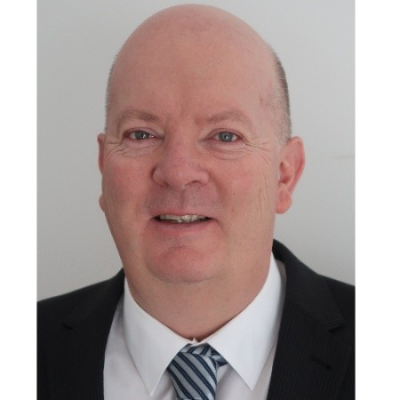
Mark Stace -
Commercial Director / Infrastructure Delivery,
Transgrid
Fuel costs, input costs, subcontractor rates, and contract prices have shifted permanently. The operators still treating this as cyclical are making decisions on a misdiagnosis. This panel names the specific commercial levers that are actually restoring control.
- Accept the new cost baseline as permanent and understand what reforecasting actually requires
- Identify the commercial agreements and contract structures being used to share rather than absorb cost risk
- Leave knowing which cost lines carry the greatest structural risk to your current programs

8:00 am - 8:30 am
Case Study: One Organisation. Costs Out of Control. The Decisions That Turned It Around
One program, one cost crisis, one sequence of decisions made under board pressure with real commercial consequences. Including the board conversation — how to tell your board the budget they approved is no longer achievable and what you ask them to do instead.
- Understand what a structural cost crisis looks like when you accept it is not cyclical
- Get a specific approach to the board conversation most practitioners are either having now or about to have
- Identify the decision sequence that actually turned around a program in cost crisis
11:10 am - 11:40 am
Morning Break
Interactive Group Discussions
11:40 am - 12:45 pm
Group A: Running What You Have When the Parts Aren't There
Your asset needs a part on a 14-month lead time and your planned outage is six weeks away. How are you making run-risk decisions and protecting uptime when the inputs you depend on are unavailable?
11:40 am - 12:45 pm
Group B: Your Current Project Is Under Pressure. How to Protect Delivery Before It's Too Late
Your project is four months behind, contingency is 60% consumed, your subcontractor has just repriced. What recovery decisions are actually working on comparable programs right now?
11:40 am - 12:45 pm
Group C: Planning Your Next Program in a Market That Has Changed Permanently
You are scoping a major program starting in 12 months. Your previous assumptions on lead times, costs, and workforce are all wrong. How do you rebuild planning assumptions and brief your board honestly?
11:40 am - 12:45 pm
Group D: Gas, Fuel, and Energy Supply Is Tightening. How to Lock in What Your Operation Needs
Your gas supply agreement expires in 14 months, domestic supply is tight, and your two alternative suppliers draw from the same upstream field. How do you structure your next agreement?
11:40 am - 12:45 pm
Group E: The Workforce Isn't There. How the Programs That Are Delivering Found the People They Needed
Your program needs 200 engineers and 400 skilled tradespeople over 18 months, and the domestic market cannot supply them. What contracting, training, and retention strategies are working on active programs?
11:40 am - 12:45 pm
Group F: Your Contracts Were Written for a Different World. How to Manage the Consequences
Your EPC contractor has submitted a variation claim for 35% cost escalation. Your board wants you to defend the original price. What are the most commercially sophisticated operators doing?
Afternoon Block
1:30 pm - 2:10 pm
Panel Discussion: Half the Projects in This Room Are at Risk of Significant Delay. Here Is What Separates the Programs That Deliver from the Ones That Don't
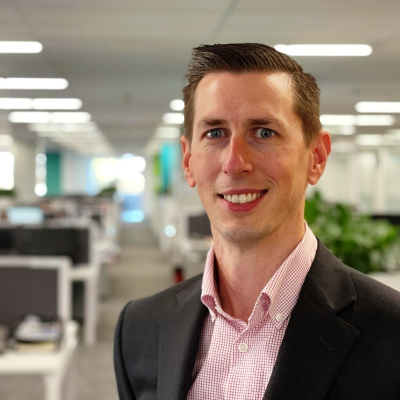
Michael Howard -
Project Director,
Transgrid
James Hollis - General manager Engineering Services, VENTIA
The honest assessment of Australia's energy and resources project pipeline: a significant proportion of what has been committed will not be delivered on its current timeline. The panel names the four characteristics shared by programs tracking closest to schedule — and the four shared by those most at risk.
- Assess honestly whether your program is in the at-risk category based on the eight characteristics the panel names
- Understand what the programs tracking closest to schedule have in common
- Leave with the specific intelligence to make one decision that could move your program from one category to the other



2:10 pm - 2:35 pm
Case Study: Four Months Behind. Contingency Gone. Here Is What the Recovery Actually Looked Like
One program, four months behind, contingency consumed, board confidence at risk. The specific sequence of decisions made over a six-week period to stabilise the program — including the first decision made, which was wrong, because that is the decision most practitioners in comparable positions are currently making.
Key Takeaways:
- Understand the specific decision sequence that stabilised a program in genuine crisis
- Identify the first decision most practitioners make that doesn't work — and what to do instead
- Leave with the specific early intervention decision that experienced recovery practitioners identify as highest value
2:35 pm - 3:00 pm
Panel Discussion: The Delivery Model That Built the Last Generation of Infrastructure Won't Build the Next One. Here Is What Replaces It
Fixed-price EPC contracts. Just-in-time supply chains. Workforce plans built on historical availability. Every element of the traditional delivery model is under stress. The panel names the four specific model changes making the greatest difference on active Australian programs.
- Identify which element of your current delivery model is creating the most risk on your most exposed program
- Understand the specific model changes, keeping programs on schedule
- Leave with the practical alternative the most successful operators are using right now
3:00 pm - 3:15 pm
Case Study: No Precedent. Same Pressure. What It Takes to Deliver What Australia Has Never Built Before
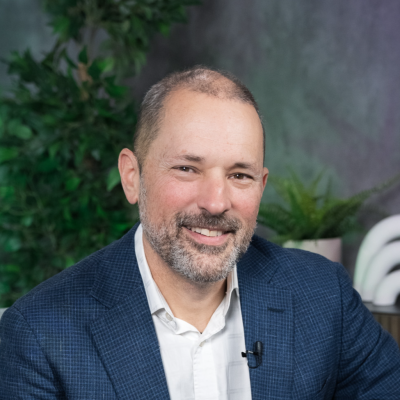
Steve Lewis -
Project Director - Community Power Networks,
Ausgrid
The first program of its kind was approved and delivered under the AER. No historical budget data. No existing workforce configuration to draw from. No playbook. The practitioner names the specific decisions made when every standard assumption was wrong before the program started — and what those decisions mean for the next generation of programs entering the pipeline.
Key Takeaways:
- When there is no precedent, supply chain assumptions from the last program are wrong before you start
- Cost escalation on a first-of-kind program carries a premium no standard budget account for
- The workforce this type of program needs does not exist in the configuration required
- Three things the practitioner would do differently on Day 1
12:45 pm - 1:30 pm
Networking Lunch
Afternoon Block
3:45 pm - 4:20 pm
Panel Discussion: What Gets Built in the Next 24 Months and What Doesn't. The Honest Assessment and What It Means for Your Program
Brett Rickell -
Head of Strategic Asset Management,
ElectraNet Pty Ltd
Which program categories are most likely to proceed on schedule, which are most at risk, and the four determining factors that place a program in one category or the other. Based on current input availability, workforce capacity, approval timelines, and delivery track record.
- Make the most informed assessment of your program's 24-month outlook available anywhere in the market
- Understand which program categories are most exposed to delay and which are best positioned to deliver
- Identify the specific action that could move your program from the at-risk to the deliver category
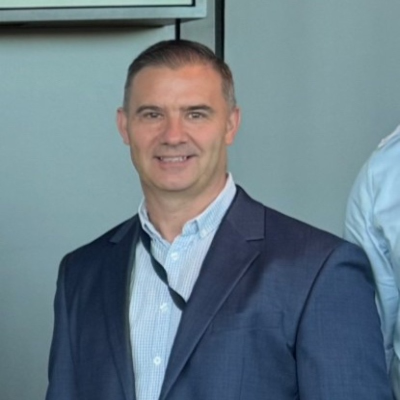

4:20 pm - 4:40 pm
Case Study: One Decision. One Program. The Moment That Changed Everything — and What You Can Take From It
A single senior practitioner answers one question without slides: what are you personally going to do differently as a result of today? Named specifically. Committed to publicly. In front of peers. The chair follows with ten minutes of direct questions.
- Hear a peer make a specific public commitment about what they are doing differently starting Monday
- Gain the permission and pressure to make your own commitment
- Leave with at least one specific action you are taking on your most exposed program
8:00 am - 8:30 am
Panel Discussion: Top Tips. Direct Challenges. The State of This in 12 Months. Three Questions. No Soft Answers
Three practitioners. No chair framing. Three questions answered directly, without qualification: your single most important tip, your direct challenge to the industry, and your honest assessment of where this is in 12 months. Short answers. No slides. No softening.
- Leave with the single most important tip from the most operationally experienced voices in the room
- Hear the direct challenge to the industry that no one is saying publicly
- Get an honest prediction of where these challenges are in 12 months