Thursday, 11 June 2026 - Event Agenda
9:05 am - 9:15 am
Chair’s Opening Remarks
Jacqui Lewis -
Co-founder, BN Healthy,
Australia Weight Loss Surgery Podcast

9:15 am - 9:20 am
Minister’s Recorded Message for the Attendees
Hon Ryan Park MP, Minister for Health, Minister for Regional Health, NSW Government
9:20 am - 9:40 am
Keynote | Can we balance Profits and Patient-Centred Care in Obesity - and why should we try?
Dr Alex Craven -
Upper Gastrointestinal Surgeon and Medical Lead or Elective Surgery Reform,
Austin Health
This session tackles one of the more uncomfortable conversations in modern medicine, the growing tension between commercial interests and genuine patient outcomes in obesity treatment. Drawing on comparisons across the healthcare landscape, it asks whether profit and patient-centred care can truly coexist, and what it would take to get there.

Dr Alex Craven
Upper Gastrointestinal Surgeon and Medical Lead or Elective Surgery ReformAustin Health
9:40 am - 10:10 am
Partner Case Study by Bodd
Rob Fisher -
Co-Founder and Chief Executive Officer,
Bodd
Ganesh Naidoo - Founder | CEO | Medical Director, Medmate


10:10 am - 10:40 am
Clinical Innovation | The New Therapeutic Frontier: Pharmacological Breakthroughs Redefining Obesity Care
Dr Mais Hussein -
Medical Director,
Alora Health
This session examines how breakthrough GLP-1 receptor agonists and novel combination therapies are transforming obesity treatment paradigms, elevating patient outcomes, reshaping clinical expectations, and establishing obesity as a medically manageable chronic disease requiring long-term pharmaceutical intervention.
Key Takeaways:
• Understanding how advanced GLP-1s and dual/triple agonists achieve superior weight loss and metabolic improvements, including their effects on appetite regulation, insulin sensitivity, and cardiovascular benefits beyond traditional interventions.
• Navigating prescribing guidelines, managing patient expectations for long-term therapy, addressing access and affordability challenges, and integrating pharmacotherapy with lifestyle interventions for optimal sustainable outcomes.

10:40 am - 11:00 am
Speed Networking - Connect with Your Peers
Fast, focused, and energising — speed networking is your chance to meet fellow attendees, exchange ideas, and spark new collaborations with your metabolic healthcare professionals
11:00 am - 11:30 am
Morning Break
Fuel up, connect, and explore - your chance to grab a coffee, meet solution partners, and spark new conversations across Australia’s obesity care community
interactive Discussion Groups
IDG A
11:30 am - 1:00 pm The New Therapeutic Frontier: Scaling Access to Breakthrough Obesity MedicationsIDG B
11:30 am - 1:00 pm Connected Care Continuum: Designing Truly Seamless Patient JourneysIDG C
11:30 am - 1:00 pm Reimagining the Patient Experience: Engagement That Lasts
1:00 pm - 2:00 pm
Networking Lunch and VIP Hosted Lunch
Refuel, reconnect, and recharge — take this opportunity to meet peers from across Australia’s health, research, and policy community, exchange ideas, and spark fresh conversations shaping the future of obesity and metabolic health.
2:00 pm - 2:30 pm
Partner Keynote | OPTIMAP: A digitally Enabled Model to Transform Public Obesity Care in South Australia.
Sponsored by: Personify Care

2:30 pm - 2:50 pm
Panel Discussion | Metabolic Surgery in 2025: Refining Indications, Outcomes, and the Role of Emerging Pharmacotherapy
Dr Nicholas Cocco -
Bariatric Surgeon,
Westmead Private Hospital
Dr Alex Craven - Upper Gastrointestinal Surgeon and Medical Lead or Elective Surgery Reform, Austin Health
This panel examines patient selection, surgical decision-making, and operative outcomes in metabolic surgery - exploring how the rise of GLP-1 and dual/triple agonist therapies is reshaping surgical indications and perioperative practice across public and private settings.
Key Takeaways:
• How advances in bariatric and metabolic surgical technique including procedure selection, revisional surgery, and optimising perioperative pathways are driving improved long-term outcomes beyond weight loss alone.
• Where GLP-1 and dual/triple agonist therapies sit in the surgical pathway: as a bridge to surgery, an alternative, or a post-operative adjunct and how surgeons should be responding to the evidence.
• How clinical practice across public and private settings diverges on surgical indications, and what standardisation of patient selection criteria could look like in 2025 and beyond.
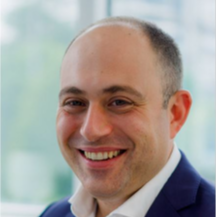
Dr Alex Craven
Upper Gastrointestinal Surgeon and Medical Lead or Elective Surgery ReformAustin Health
2:50 pm - 3:20 pm
Women's Health and Obesity | Managing Weight Across the Reproductive Lifespan
Inoka Perera -
Fertility and Prenatal Dietitian,
Western Sydney local Health District
This session Provides clinical insights into the complex management of obesity throughout reproductive stages, examining evidence-based approaches for weight optimisation during preconception, fertility treatments, pregnancy, and postpartum periods while balancing maternal-fetal health outcomes.
Key Takeaways:
• Understanding how obesity affects fertility, ovulation, pregnancy complications, and metabolic health, plus strategies for safe preconception weight management and timing interventions to improve conception rates and pregnancy outcomes.
• Navigating appropriate gestational weight gain targets, managing obesity-related pregnancy complications, addressing postpartum weight retention, and safely integrating pharmacological or surgical interventions across different reproductive stages without compromising maternal or infant health.

3:20 pm - 3:50 pm
Afternoon Break
Fuel up, connect, and explore — your chance to grab a coffee, meet peers across Australia’s health and policy community, and spark new conversations shaping the future of metabolic health.
3:50 pm - 4:20 pm
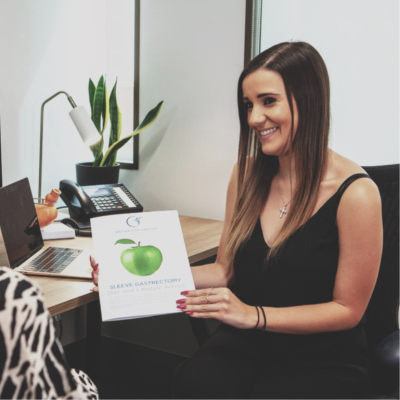
Beyond the Operation: Dietary Behaviours That Drive Long-Term Success After Bariatric Surgery
Jennifer Tsoutsoulis -
Bariatric Dietitian,
Melbourne Weigh Loss Solutions
4:20 pm - 4:50 pm
Multidisciplinary Care Panel | Personalised Nutrition and Behavioural Support in Obesity Care | The Essential Role of Nutritionists and Psychologists
Marjan Mazaheri -
Psychologist,
MedSurg Weight Loss
Inoka Perera - Fertility and Prenatal Dietitian, Western Sydney local Health District
Jennifer Tsoutsoulis - Bariatric Dietitian, Melbourne Weigh Loss Solutions
How nutritionists and psychologists collaborate to develop individualised treatment strategies, integrating tailored dietary approaches based on metabolic profiles with psychological interventions addressing behavioural patterns, emotional eating, and sustainable lifestyle change.

4:50 pm - 5:00 pm
Chair's Closing Remarks
5:05 pm - 6:05 pm
Networking Reception
Join fellow delegates for a relaxed close to the day — connect with peers from across Australia’s health, research, and policy community, reflect on key takeaways, and continue the conversations shaping the future of obesity and metabolic health.