DESIGNING SUSTAINABLE AND SMART HEALTHCARE FACILITIES: ANTICIPATING FUTURE HEALTHCARE NEEDS
23 - 26 June 2026
| Equarius Hotel, Singapore
Health Facilities Asia Day 1
Health Facilities Asia Day 1
Health Facilities Asia Day 1
8:15 am - 9:00 am
Registration Opens
9:00 am - 9:10 am
Welcome Address by Asia Healthcare Week
9:10 am - 9:40 am
Opening Panel Discussion: Executives in Healthcare: Redefining Resilience for the Next Decade
Datuk. Dr. Nor Fariza Binti Ngah -
Deputy Director General, (Research & Technical Support),
Ministry of Health, Malaysia
A/Prof Victor Koh - Pro-Tem Chief Executive Officer & Chairman, Hospital Planning Committee, Tengah General and Community Hospital
How long-term thinking around asset life, resource efficiency, and operational stability is shaping leadership priorities and risk management
Where integration, standardisation, and selective digital enablement help organisations stay agile as demand patterns and acuity profiles shift
How leadership decisions influence flow, safety, satisfaction, and staff effectiveness across the care journey, without chasing trends or overbuilding
How leaders define preparedness amid evolving care models, workforce pressures, and rising patient expectations — beyond traditional capacity or expansion metrics

Datuk. Dr. Nor Fariza Binti Ngah
Deputy Director General, (Research & Technical Support)Ministry of Health, Malaysia
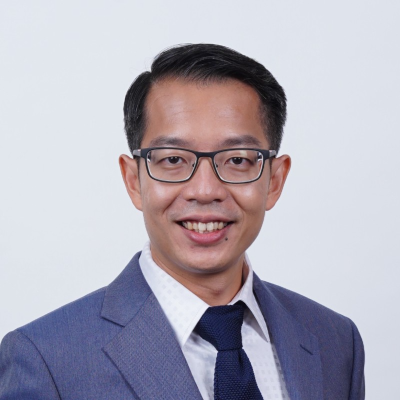
A/Prof Victor Koh
Pro-Tem Chief Executive Officer & Chairman, Hospital Planning CommitteeTengah General and Community Hospital
9:40 am - 10:10 am
Engineering Digital Resilience: Sustaining Critical Operations
How do hospitals quantify the business risk of infrastructure or system downtime, and what contingency models mitigate it?
What cost impact do backup power, cooling systems and modular infrastructure systems have on operational continuity?
How can IT‑ and facilities‑systems integration improve resilience, reduce maintenance cost and support smart hospital operations?
Which vendor‑enabled solutions deliver measurable efficiency, uptime and cost benefits for hospital critical systems?
10:10 am - 10:40 am
Industry Thought Leadership
10:40 am - 11:00 am
Speed Networking Session
11:00 am - 11:30 am
Morning Break & Refreshments
11:30 am - 12:00 pm
Optimizing Hospital Asset Management for Efficiency and Sustainability
Noel Pabilona -
Vice President and Head of Facilities Management and Engineering Group,
St Luke’s Medical Centre Philippines
How does lifecycle and preventive maintenance of critical equipment translate into cost savings and extended asset life?
What digital tools or systems help integrate asset workflows and reduce staff burden across facilities and clinical teams?
How can hospitals incorporate energy‑efficient and sustainable technologies into asset management programmes while meeting regulatory standards?
What frameworks help ensure equipment safety, compliance and operational efficiency deliver quantifiable business value?

Noel Pabilona
Vice President and Head of Facilities Management and Engineering GroupSt Luke’s Medical Centre Philippines
12:00 pm - 12:30 pm
Green Hospitals in Asia: Strategic Implementation & ROI
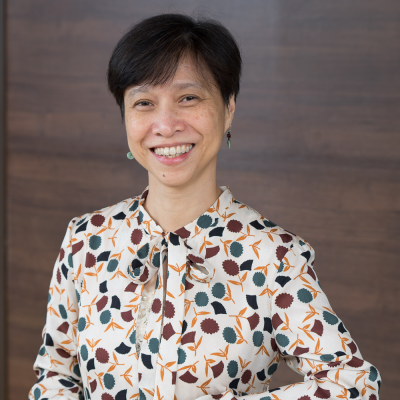
Wan Cheng Chow -
Group Director, Sustainability,
SingHealth
Which net-zero design strategies and energy benchmarks translate into dollar savings for hospitals
How sustainable materials and waste-reduction initiatives minimize operational costs and environmental footprint
Financial planning frameworks that link green upgrades to measurable performance gains and payback periods
12:30 pm - 2:00 pm
Networking & Lunch Break
2:00 pm - 2:30 pm
Upgrading Legacy Facilities: Managing Refurbishment in Live Hospitals
Yih Ming Yong -
Chief Operating Officer, IHH Healthcare Singapore and,
Chief Executive Officer, Mount Elizabeth Hospital
How can hospitals execute major refurbishments while minimizing patient‑disruption and safeguarding safety?
What workflow‑engineering methods optimise renovation planning to reduce downtime and budget overruns?
Which modular or phased construction approaches deliver faster time‑to‑value for hospital upgrades?
What measurable operational improvements (patient flow, staff productivity, cost per bed) follow post‑renovation?

Yih Ming Yong
Chief Operating Officer, IHH Healthcare Singapore andChief Executive Officer, Mount Elizabeth Hospital
2:30 pm - 3:00 pm
Capital Allocation for Digital & Smart Infrastructure in Hospitals
Richa Debgupta -
Chief of Strategy & Operations,
Fortis Healthcare
How are hospital leaders deciding between digital investments (AI, IoT, EMR) and physical infrastructure upgrades?
What efficiency gains—from reduced length of stay or improved asset turnaround—justify investment in smart systems?
How can phased implementation and risk‑adjusted budgeting secure buy‑in for capex projects?
Which vendor engagement models deliver measurable performance and support hospital ROI targets?

3:00 pm - 3:30 pm
Phased Clinical Renovation: Minimizing Disruption in Active Hospitals
Orville Inumerable -
Deputy Director, Corporate Infrastructure Office,
National University Health System
How can hospitals sequence multi-phase refurbishments in active clinical spaces while maintaining patient safety and service continuity?
What layout strategies optimise space utilisation and workflow efficiency to meet rising clinical demands within fixed footprints?
Which engineering approaches enable critical infrastructure upgrades like HVAC during live operations without disrupting care delivery?
How do preparatory works in adjacent areas facilitate seamless construction phasing and uninterrupted patient flows?

Orville Inumerable
Deputy Director, Corporate Infrastructure OfficeNational University Health System
3:30 pm - 4:00 pm
Afternoon Break & Refreshments
4:00 pm - 4:30 pm
Reducing Medical Waste & Single-Use Items in Hospitals
How can reprocessing or safely reducing single‑use items translate into both cost savings and sustainability gains?
Which operational practices connect waste reduction with broader efficiency gains and improved facility performance?
How can staff training, compliance and behavioural change programmes support sustainable practices and commercial outcomes?
What metrics and reporting frameworks enable hospitals to track waste reduction outcomes and vendor impact?
4:50 pm - 4:50 pm
Chairperson’s Closing Remarks & End of Conference Day One
Hiang Khoon Tan -
Chief Executive Officer,
Singapore General Hospital
Leona Karnali - Chief Executive Officer, Primaya Hospital
Norzaiton Senusi - Chief Executive Officer, UM Specialist Centre (UMSC)
Ling Lee Hoo - Regional CEO Central, KPJ Healthcare