Advancing Healthcare Delivery: Infrastructure, Innovation & Integrated Care
Asia Healthcare Week Day 2
Day 2
8:15 am - 9:00 am
Registration
9:00 am - 9:10 am
Welcome Address Asia Healthcare Week
Health Facilities Asia 2026
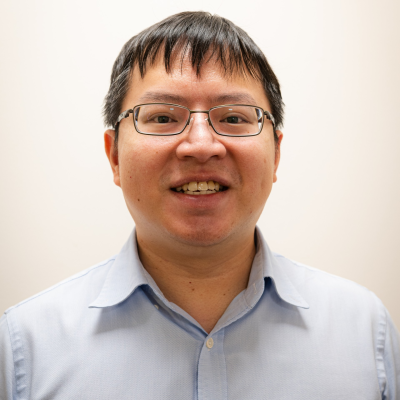
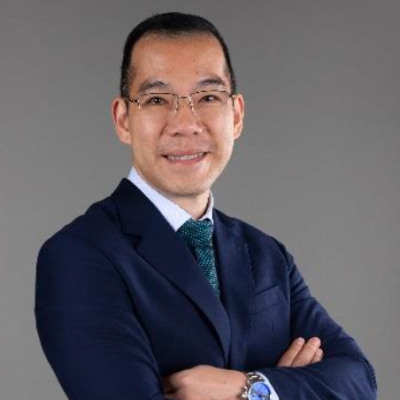
9:10 am - 9:40 am [Panel Discussion] Designing for Aging Populations — Integrating Geriatric Care into Facility Upgrades Kong Choong Tang - Chief Executive Officer, Tan Tock Seng HospitalChow Huat Khoo - Managing Director – Hospital & Healthcare Operations, Sunway Healthcare Group
Which infrastructure and design strategies support elderly patient safety and satisfaction across a large hospital campus?
How can smart monitoring systems and workflow planning enhance operational efficiency in geriatric care?
What measurable impact does frailty-ready infrastructure and design have on staff workload and patient outcomes?
How are hospitals preparing infrastructure for the projected 2030 aging demographic surge in Asia?
Health Facilities Asia 2026
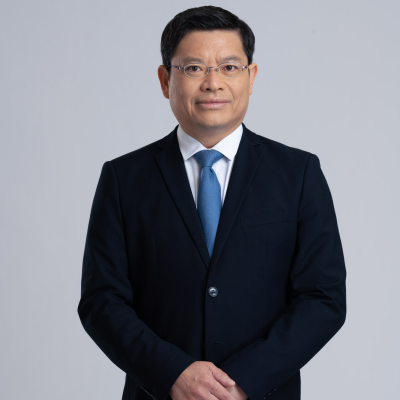
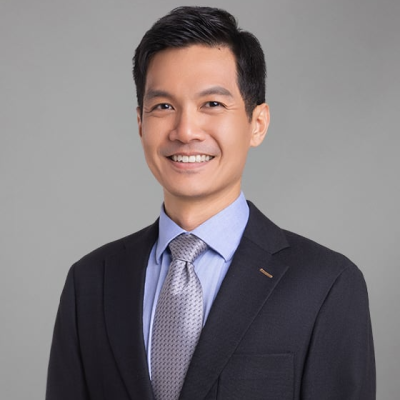
9:40 am - 10:10 am Workforce & Patient-Centric Facility Design Carrie Chan - Director of Campus Planning and Sustainability Office, Woodlands HospitalJeremiah CHNG - Director, Clinical Operations and Enterprise Operations, Woodlands Hospital
How can hospital layouts be adapted to improve staff productivity, reduce errors, and enhance patient experience while lowering operational costs?
What digital tools and AI interventions help address labour shortages, improve workforce retention, and reduce staffing-related expenses?
Which training and safety strategies for engineering and clinical teams deliver measurable efficiency gains and cost savings?
How does patient-centric design impact operational resilience, patient satisfaction, and long-term financial performance?

Health Facilities Asia 2026
10:10 am - 10:40 am Industry Thought LeadershipHealth Facilities Asia 2026
10:40 am - 11:00 am Speed Networking SessionJoin us in this Speed Networking Session where you will be able to meet other participants at the event! During this session, you will have the opportunity to engage with several leaders in a short amount of time and exchange business cards to take the conversation beyond the event.
Health Facilities Asia 2026
11:00 am - 11:30 am Networking BreakHealth Facilities Asia 2026
11:30 am - 12:00 pm Financing Sustainable and Smart Hospital TransformationHow can hospitals balance capital investment with sustainability ROI and long-term operational savings?
What funding models enable digital retrofits, modular expansions, and energy-efficient upgrades with measurable cost impact?
How can ESG-linked financing and energy performance contracts drive both environmental and commercial benefits?
Which metrics do finance leaders use to evaluate investment success for smart and sustainable infrastructure?
Health Facilities Asia 2026
12:00 pm - 12:30 pm The Role of Energy Systems in Healthcare DecarbonisationHow can smart HVAC retrofits deliver a significant reduction in energy spend and maintenance burden
What operational‑energy load strategies are being used to cut cost while maintaining patient comfort and service levels
Which monitoring and predictive‑control technologies are enabling vendors to deliver measurable uptime improvements
How should hospitals integrate facility‑system data with clinical workflows to capture efficiency gains
Health Facilities Asia 2026
12:30 pm - 1:00 pm Designing Hospitals for Outcomes, Not Occupancy: Infrastructure that Drives Measurable Clinical & Financial ResultsHow can outcome-based infrastructure design reduce patient length of stay and maximize bed utilization?
Which workflow optimizations and smart-ward technologies deliver measurable operational cost savings?
How does aligning facility planning with clinical performance KPIs drive revenue and efficiency gains?
Health Facilities Asia 2026
1:00 pm - 2:00 pm Networking Lunch BreakLeverage this opportunity to network with industry leaders and peers!
Health Facilities Asia 2026
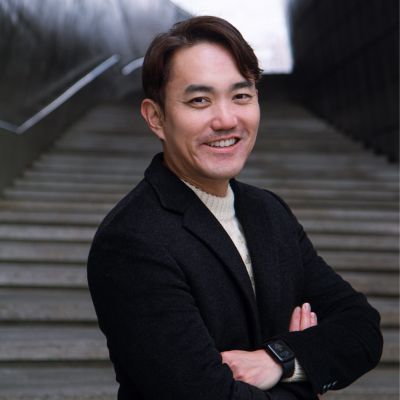
2:00 pm - 2:30 pm Reimagining Operations — From Digital Hospitals to Data-Driven Facilities Geoffrey Gui - Director, Future Health System, Singapore General HospitalHow can AI, IoT, and predictive analytics optimize facility performance while reducing operational spend?
Which integrated digital systems improve clinical workflows and streamline asset management for measurable efficiency gains?
How can data transparency support cost control, safety compliance, and executive decision-making?
Health Facilities Asia 2026
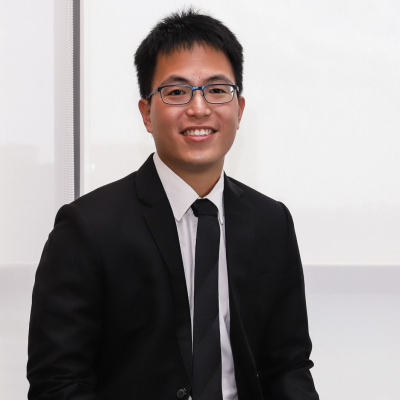
2:30 pm - 3:00 pm Modernising Operational Facilities: Retrofitting for Hybrid OT and ICU Efficiency Guirong Yang - Director Of Operations, Gleneagles Hospital SingaporeHow hybrid surgery capabilities are being embedded into existing operating theatres without disrupting ongoing services
Upgrading critical care facilities to meet evolving patient safety and clinical technology demands
Role of cross‑functional engagement and public‑sector partnerships in enabling complex retrofits
Integrating energy‑efficient materials and systems in ward refreshes to extend asset life and meet modern patient expectations
Health Facilities Asia 2026
3:00 pm - 3:30 pm Design-Integrated Care: Synchronizing Hospital Layouts with Digital WorkflowsHow spatial intelligence and real-time tracking can transform static hospital floorplans into dynamic, responsive operational environments
The role of digital twin modelling in simulating clinical workflows to eliminate architectural bottlenecks before construction begins
Strategies for building elastic infrastructure that allows clinical spaces to adopt emerging technologies without costly structural renovations
Health Facilities Asia 2026
3:30 pm - 4:00 pm Networking BreakHealth Facilities Asia 2026
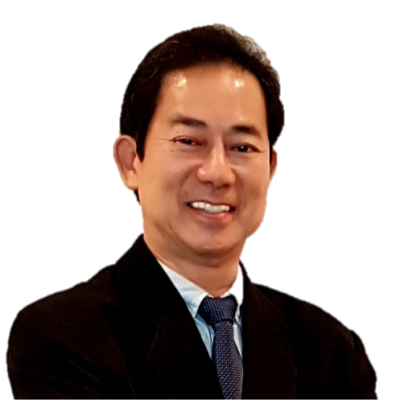
4:00 pm - 4:30 pm Linking Space, Safety & Sustainability to Clinical Outcomes Dato' Dr Colin Lee - Managing Director, KL Wellness City and KL International HospitalHow can master space planning and design innovation balance productivity, staff wellness, and hospital brand image?
How can sustainability and regulatory compliance be integrated into facilities operations to support business continuity and occupational safety?
In what ways can engineering and biomedical systems be aligned with clinical workflows to reduce downtime and improve care throughput?
How can multi-functional organizational structures be developed to build talent pipelines and ensure succession readiness for long-term resilience?
Health Facilities Asia 2026
4:30 pm - 5:00 pm The Future of Healthcare Facilities in Asia Dato' Dr Colin Lee - Managing Director, KL Wellness City and KL International HospitalWhich infrastructure investments are delivering measurable efficiency, sustainability, and clinical outcomes today?
How are regional hospitals leveraging green, digital, and modular solutions to remain competitive and resilient?
What cross-market insights and best practices can senior leaders adopt to improve operational and commercial performance?
How can public-private collaboration accelerate scalable impact across the region?
Gain proven strategies and metrics from regional leaders on delivering measurable efficiency, sustainability and clinical returns
Aged & Home Care 2026
9:10 am - 9:40 am Age Well SG in Action: Building Neighbourhoods that Care for SeniorsHow Age Well SG translates national policy into neighbourhood-level Active Ageing Centres 2.0 and community hubs
Which Age Well Neighbourhoods pilots enable digital support and hospital-community integration for ageing in place
How these initiatives create vibrant, senior-friendly neighbourhoods with measurable health and social outcomes
Aged & Home Care 2026
9:40 am - 10:10 am Re‑wiring the Stroke Pathway: Inside the Stroke Rehab Ecosystem Reina Ng - Executive Director, Stroke Support StationHow the S$6.59m national initiative redesigns post-stroke care from acute hospital to community rehabilitation
Which therapist upskilling, data sharing, and handoff strategies improve functional recovery across providers
What integrated metrics and structured pathways deliver measurable outcomes for stroke survivors at scale

Aged & Home Care 2026
10:10 am - 10:40 am Redesigning Rehabilitation: Workforce-Smart Models for Community-Based Elder CareHow can community rehab services and prioritize elders to bridge the gap between hospital discharge and long-term community care
What workforce-smart models and skill-mix strategies are essential for scaling rehab services sustainably
How to translate hospital-to-community strategies into measurable, delivery that meets the rising demand of an aging population
Aged & Home Care 2026
10:40 am - 11:00 am Speed Networking SessionJoin us in this Speed Networking Session where you will be able to meet other participants at the event! During this session, you will have the opportunity to engage with several leaders in a short amount of time and exchange business cards to take the conversation beyond the event.
Aged & Home Care 2026
11:00 am - 11:30 am Networking BreakAged & Home Care 2026
11:30 am - 12:00 pm From Ward to Wellness: Nursing Workflows for Safer Elderly Transitions Rajpal Singh Baldev Singh - Corporate Head of Nursing, Mayapada Healthcare GroupHow advance planning and standardized discharge protocols ensure clinically safe elderly transitions to home care
Which digital follow-up systems and nurse training programmes create seamless, post-discharge support ecosystems
How nursing-led workflows reduce readmissions while delivering measurable improvements in elderly patient safety and family confidence

Aged & Home Care 2026
12:00 pm - 12:30 pm Building Frailty-Ready Health Systems: Redesigning Hospital-to-Community Care Li Feng Tan - Senior Consultant Geriatrician, Alexandra HospitalHow hospitals enable safe, effective transitions for older adults through early functional assessment and geriatric principles
Which system-level strategies coordinate hospital care with community nursing, health posts, and home-based services
How integrated, frailty-ready pathways improve outcomes across the hospital-to-community care model

Aged & Home Care 2026
12:30 pm - 1:00 pm Community Nursing & Health Posts: Hospitals Moving into the HeartlandsHow do hospital-led teams establish governance and seamless referral pathways from acute care into HDB heartland estates?
What strategies enable effective chronic disease management and on-site Advance Care Planning discussions within local Community Health Posts?
In what ways can decentralized nursing teams improve frailty management while maintaining hospital-grade clinical standards for residents?
Aged & Home Care 2026
1:00 pm - 2:00 pm Networking Lunch BreakLeverage this opportunity to network with industry leaders and peers!
Aged & Home Care 2026
2:00 pm - 2:30 pm Restraint-Free Geriatric Care: Redesigning Flow from Emergency to HomeHow do care models redesign emergency pathways to improve patient flow and significantly shorten hospital stays
Where does the elimination of physical restraints reduce operational costs while sustainably expanding hospital capacity for aging populations
Aged & Home Care 2026
2:30 pm - 3:00 pm Hospital-Wide Approaches to Identifying and Managing Frailty Across the Acute Care ContinuumHow hospitals implement organisation-wide frailty identification across emergency, inpatient, and discharge workflows
Which multidisciplinary responses and system-level lessons move beyond unit-based models to coordinated care at scale
How clinical governance, data integration, and workforce alignment improve outcomes for frail older patients throughout the care continuum
Aged & Home Care 2026
3:00 pm - 3:30 pm Designing Community Care Hubs That Deliver Care and Build CapabilityHow do hubs integrate rehabilitation and robotics to enhance care delivery and ageing-in-place
What digital tools best support workforce development and ensure seamless care continuity beyond hospital
How can community centres build clinical capability while empowering residents to live independently at home
Aged & Home Care 2026
3:30 pm - 4:00 pm Networking BreakAged & Home Care 2026
4:00 pm - 4:30 pm Managing Medical Complexity in Ageing Patients: What Must Change in Acute Hospital CareHow person-centered acute care integrates geriatric assessments for older patients with complex needs
Which transitional care strategies reduce avoidable admissions and support safe hospital-to-community handoffs
What systemic changes improve outcomes and deliver better care across the complex elderly patients
Aged & Home Care 2026
4:30 pm - 5:00 pm Elderly Palliative Care: Navigating the Future of In-Home and Community-Based Care Adrian Kan - Associate Consultant; Palliative Medicine, Hospice Care AssociationHow innovative models integrate hospital, community, and home care to address elderly palliative challenges
Which strategies reduce unnecessary admissions while enhancing patient outcomes through technology
What future frameworks leverage digital tools for seamless, compassionate care delivery at home