Day 1 - Tuesday 28th April, 2026
Main Day 1 of Live Service Gaming
Morning Plenary Sessions
8:00 am - 8:45 am
Registration & Breakfast
8:45 am - 9:00 am
Chair Opening Remarks
Jonathan Lander -
Head of Publishing,
Probably Monsters


9:00 am - 9:40 am
Opening Panel Discussion – Accelerating Content Creation: Quantity & Quality Control in Live Service Games
Allison Baker -
Development Director,
Electronic Arts
Artie Rogers - Game Director, KingsIsle Entertainment
Jonathan Lander - Head of Publishing, Probably Monsters
Andrew Gambel - Director of Product - Live Services, Sony Interactive Entertainment
John Pompei - VP, Gaming Practice, IQor
In the fast-paced world of live service gaming, getting fresh, engaging content to players is essential for retaining their attention, but how can studios maintain top-notch quality under pressure? In this session, panelists will discuss ways in which the live service player demographic is changing and what that means for the type, quality, and quantity of content players expect. Learn to adapt by:
- Identifying your current core audience.
- Balancing the quantity of content output, with designing a game that caters to a variety of player abilities.
- Optimizing your studio’s technical infrastructure and team’s expertise to improve observability, the integration of player feedback, and reduce downtime and errors.








9:40 am - 10:10 am
Presentation – Always Online: Scaling Release Management for Live Service Games
Mindi Sellers -
Lead Development Director - FC Live Service,
Electronic Arts
Mindi Sellers, Lead Development Director for FC Live Service at Electronic Arts, shares how her team manages the complexity of releasing multiple updates daily across Live titles. With a focus on release management, Mindi explores how EA balances quality and velocity by:
- Building systems and processes that support high-frequency releases.
- Balancing the need for speed with quality.
- Incorporating incident management and feedback into the release pipeline.

10:10 am - 10:50 am
Morning Coffee Break
Morning Stream Sessions
10:50 am - 11:25 am
Presentation – The Agent Team: Automating Live Service Operations with AI
Dan Usedom -
GTM,
ThinkingAI
Generic AI tools are smart advisors. But running a live service game requires operators. Tools that understand your retention curves, your LiveOps playbooks, your patch cadence, and your players. Most off-the-shelf LLMs can't do that, and stitching together a fragmented analytics and LiveOps stack to get there is costing your team more time than it saves.
ThinkingAI spent 10 years embedded with the world's top grossing mobile studios, building the skills, workflows, and institutional knowledge that now power the Agentic Engine: a coordinated team of AI agents purpose-built for live service games. In this session, learn how to:
- Close the entire live service growth loop autonomously: detect signals in real time, decide on the right response, execute it, and verify the outcome, with your team in control at every step.
- Give your agents the full picture, connecting player behavior, user feedback, community signals, and internal knowledge so every decision is grounded in context, not just dashboards.
- Deploy on your own infrastructure, with your own models, so your player data never leaves your walls and your team stays sovereign

11:30 am - 12:00 pm
Presentation – Beyond Launch Day: Why So Many Recent GAAS Titles Don’t Make it Past Year One
Rich Vogel -
Founder,
Battle Dragon Entertainment
Rich Vogel, a Strategic Advisor, will outline why so many recent GAAS titles fail to survive beyond their first year. Using real-world examples, this thought-provoking session will highlight how to avoid common pitfalls and create live service experiences that resonate with players long-term by:
- Involving the community early to build experiences that resonate and sustain engagement.
- Creating agile content pipelines that deliver consistent, high-quality updates beyond launch.
- Prioritizing core gameplay during pre-production to ensure a strong and unique foundation.

12:00 pm - 12:30 pm
Presentation – Making Better Games with Data: From Structure to Actionable Insights
Emma Alvarez -
Studio Director of Data Analytics,
Big Huge Games
Great games aren’t built on instinct alone — they’re built on understanding. During this session targeted towards analysts, producers, designers, marketers, and anyone interested in making data a practical, creative tool for better games and smarter decisions, attendees explore how to turn raw data into meaningful insights that guide smarter game design, marketing, and live-ops decisions. From setting up the right data structure to identifying the metrics that truly matter, delegates will learn how to move beyond dashboards and use analytics to shape player experiences and business outcomes. Emma will cover:
- Assessing how to structure and organize your game data for clarity and scalability.
- Applying practical methods to analyze data effectively (without getting lost in the noise).
- Turning insights into real product and marketing actions that drive engagement and growth.
- Reviewing examples of how studios use data to refine gameplay loops, improve retention, and optimize campaigns.

Lunch
12:30 pm - 1:30 pm
Lunch
Afternoon Stream Sessions
1:30 pm - 2:05 pm
Presentation – Building for the Long Game: Smart Architecture Choices from Prototype to Live Service
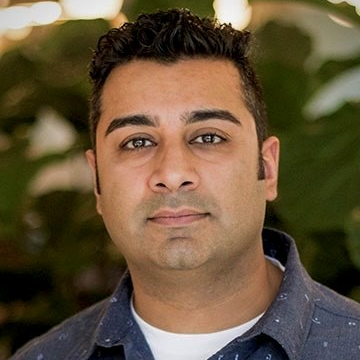
Novy Dhillon -
Technical Director,
Fortis Games
Novy Dhillon, Technical Director at Fortis Games, will explore how studios can have confidence in that they’ve made the right architectural and infrastructure decisions as they move from early prototyping to full production and the launch of a live service title. He will break down how different game types, scaling needs, and backend components influence architectural choices, and how teams can design systems that scale horizontally without inflating their infrastructure footprint. Using real examples, Novy will illustrate how thoughtful planning and adaptive engineering lead to smoother launches, lower costs, and better long term player experiences. Learn more about:
- Designing architecture that evolves naturally from prototype to production while supporting long term scalability.
- Balancing performance, cost, and flexibility by choosing the right scaling strategies for each backend component.
- Reducing infrastructure overhead through smarter system design and efficient horizontal scaling practices.
2:05 pm - 2:35 pm
Presentation – The Price of Observability: Taming the Cost of Telemetry
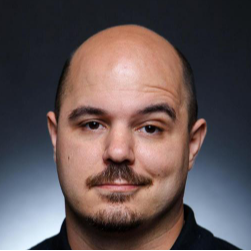
Maxfield Stewart -
Director, Software Engineering - Live and Game Operations,
Riot Games
Maxfield Stewart, Director of Software Engineering for Live and Game Operations at Riot Games, will share how the studio confronted skyrocketing telemetry costs while ingesting over a petabyte of data each month. This session dives into the cultural and technical shifts that turned cost management into a shared responsibility, from process tweaks to accountability frameworks. Attendees will walk away with practical insights into:
- Changing vendors, adjusting technical capabilities, and instituting business review processes to make costs accountable.
- Producing and breaking down data to provide insight into metrics collected at scale, including raw logs and cardinality costs.
- Achieving dramatic cost reductions while addressing cultural challenges and maintaining engineering freedom.

2:35 pm - 3:05 pm
Fireside Chat – Platform Power Play: Operating Multi-Game Ecosystems with Shared Strategy and Scalable Tech
Pawan Gaargi -
Chief Product Officer,
Monumental
Jonathan Lander - Head of Publishing, Probably Monsters
Running multiple live service games can unlock major efficiencies, but it’s not without its trade-offs. In this session led by Pawan Gaargi, Chief Product Officer at Monumental, he will share why their studio has chosen this approach, what they’re evolving, and how they balance strategic goals with backend complexity by:
- Streamlining operations by centralizing systems across multiple live titles.
- Navigating technical challenges like scalability, data separation, and update management.
- Evolving platform strategy to support growth, flexibility, and long-term sustainability.


Afternoon Coffee Break
3:05 pm - 3:45 pm
Afternoon Coffee Break
Afternoon Plenary Sessions
3:45 pm - 4:15 pm
From Creative Spark to Live Service: Leveraging Cutting-Edge Technology to Accelerate the Path from Idea to Impact
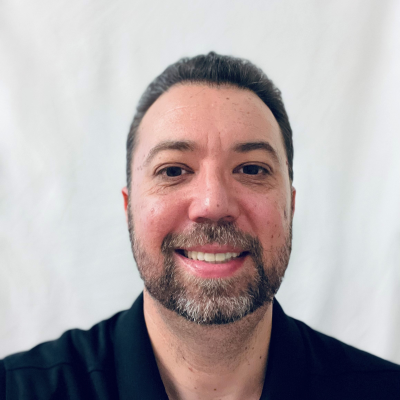
Andy Parma -
Workstation Segment Director,
AMD

4:15 pm - 4:45 pm
Presentation – Framing the Future: Navigating IP, AI, and Global Legal Risk in Live Service Games
Neil Yang -
Vice President, Intellectual Property,
NetEase Games
Neil Yang, Vice President of Intellectual Property at NetEase Games, oversees global IP and litigation outside of China. Drawing on experience across franchises, studios, and platforms, he offers a practitioner’s view of how AI and automation is redrawing the boundaries of creativity, ownership, and compliance in live service games. Neil unpacks what developers and publishers need to consider when future-proofing their creative pipelines such as:
- Understanding how regional IP expectations shape product, privacy, and content strategies.
- Preparing for long-tail legal implications of automated and AI-generated assets given the legal system is lagging behind innovation.
- Avoiding one-size-fits-all assumptions when building globally distributed live service experiences.


4:45 pm - 5:15 pm
Closing Panel Discussion – The Lessons from the History of LiveOps
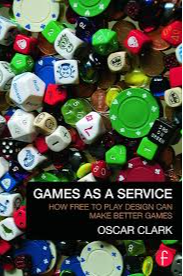
Oscar Clark -
Author,
Games As A Service
Joshua Morgan - Senior Manager - LiveOps, Sciplay
Live service games now dominate the industry, but the foundations of LiveOps were built long before the term existed. From early persistent online worlds to mobile free-to-play and today’s cross-platform services, each era has shaped how teams design, operate, and grow games over time. In this panel, we hear from LiveOps experts with previous experience at studios like Kabam, Scopely, GREE, Warner Bros Games and others who will reflect on the lessons behind the evolution of live titles. Panelists will reflect on:
- Their journeys with titles like MapleStory, Kingdoms of Camelot, and MultiVersus.
- The ways seasonal content, community-driven events, and data-informed decision making has emerged and evolved.
- What worked, what failed, what surprised everyone, and what key lessons will continue to shape how successful live games are run today.