Offshore Foundations, Conference Day 1 | Tuesday, 25th August 2026
Focus Day, Exploring Geotechnics | Monday, 24th August 2026
Offshore Foundations, Conference Day 1 | Tuesday, 25th August 2026
Offshore Foundations, Conference Day 2 | Wednesday, 26th August 2026
Advances in Rotor Blades, Conference Day 1 | Tuesday, 25th August 2026
Advances in Rotor Blades, Conference Day 2 | Wednesday, 26th August 2026
8:00 - 9:00
Registration
9:00 - 9:10
Opening Remarks by IQPC and the Conference Chair
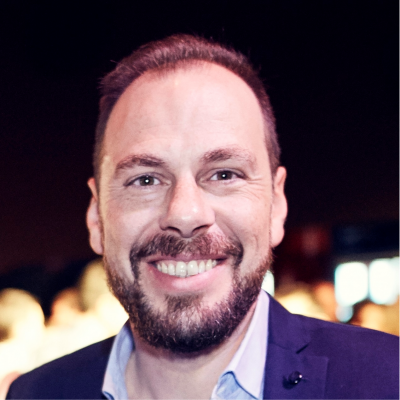
Ricardo Rocha -
Offshore Wind Technical Director,
BayWa r.e.

Design and Offshore Development. New Approaches, Cost Efficient Project Delivery, Damping & Load Calculation
9:10 - 9:40
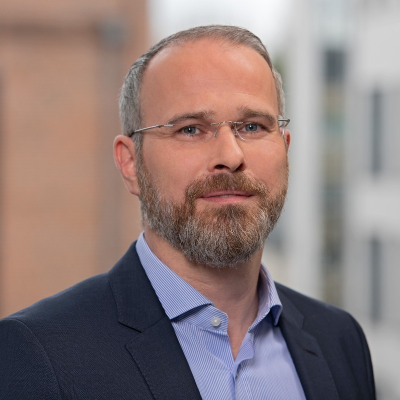
Closing the Gap: Offshore Wind Foundation Design Optimization Beyond Steel Tonnage
Andreas Willecke -
Director Offshore Wind Engineering,
Ramboll
• Real-world case studies from a designer’s perspective: Cost drivers beyond steel weight
• From wind farm layout and design drivers to cost of fabrication and design for installation
• Pairing holistic project development expertise with design decisions
• Closing the loop between project requirements, design assumptions, fabrication and installation reality

9:40 - 10:10
The Importance of Added Damping for Cost-efficient Offshore Wind Turbine Designs and Integrity
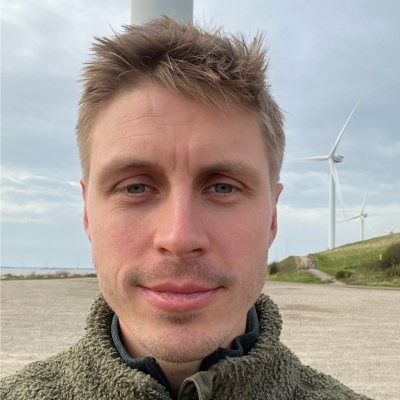
Martin Kirk Hoffmann -
Specialist, Global Support Structure Excellence,
Vestas
• Advanced WTG controller strategies for support structure load mitigation and stability
• Modular passive damper concept for various WTG stages throughout the lifecycle

10:10 - 10:40
The REDWIN Framework for Integrated Load Analysis: Principles, Industry Adoption, and Future Outlook
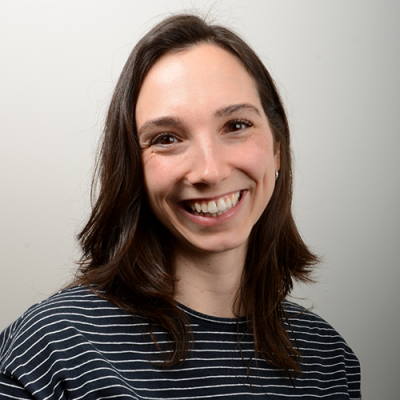
Ana Page -
Head of Section Computational Geomechanics,
Norwegian Geotechnical Institute
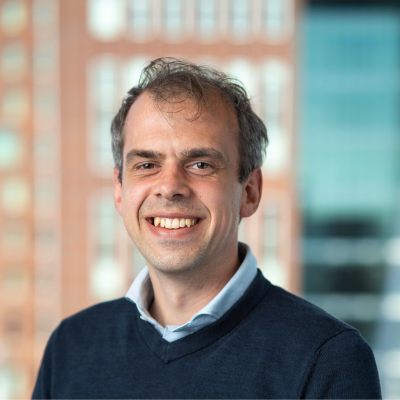
Nico Maljaars - Advisory Engineer Offshore Loads, Siemens Gamesa
* REDWIN Framework: Principles, validation against full scale offshore turbine data, and benefits for integrated load analysis
* Model implementation: Implementation in industry tools, e.g., integration into aero-elastic code BHawC by Siemens Gamesa
* Model performance: Fatigue and Extreme load reductions and related stiffness and damping behaviour based on experiments on several projects
* Future Outlook: Next steps towards Standardization, Industry adoption and Certification

10:40 - 11:10
From Requirements to Reality: Airtightness Specification and Sealing Options
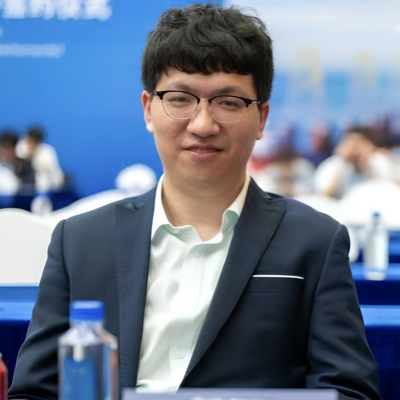
Kyle Wang -
Design Engineer, Offshore Wind Foundation Seals,
Trelleborg Marine and Infrastructure
* The airtightness requirement. What drives this specification and how does it evolve in time?
* Translation of airtightness requirements into design drivers and specifications, highlighting how functional requirements such as pressure retention, safety, and tolerance management are converted into practical sealing design criteria for offshore wind foundations.
* Recent industry solutions to achieve airtightness, showcasing modern sealing concepts and design approaches that respond to evolving installation methods, fabrication constraints, and cost and risk reduction targets.
* Real life engineering case studies, demonstrating how airtightness specifications and sealing solutions are applied and tested in practice.
Kyle Wang
Design Engineer, Offshore Wind Foundation SealsTrelleborg Marine and Infrastructure
11:10 - 11:40
Coffee Break and Networking
11:40 - 12:10
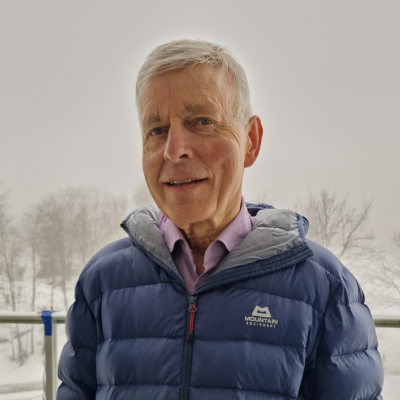
Advances in Fatigue Capacity of Offshore Wind Support Structures
Dr. Inge Lotsberg -
Specialist Engineer,
DNV Norway
* Latest research: revised S-N curve for butt welds, internal weld defects, thickness and size effects, weld‑improvement methods, updated SCFs for conical connections
* Effects of fabrication quality, early‑stage corrosion, and refined analytics on fatigue capacity
* Probabilistic approaches and relation to safety factors
* Outlook: Key challenges and opportunities for fatigue assessment in next‑generation offshore structures
Lifetime Extension and Fatigue Concepts
12:10 - 12:40
Lifetime Extension of Offshore Wind Foundations: Data Driven Optimisation of Design Models
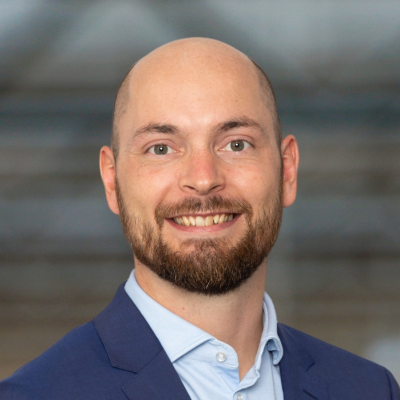
Thomas Krusenstjerna Albæk -
Head of Discipline - Primary Structures and Loads,
COWI A/S
• Integration of long term monitoring, inspection and hindcast datasets to establish an asis data foundation for lifetime extension assessment
• Development of data informed design envelope models capturing both typical and temporary extreme conditions
• Application of calibrated integrated load and soil–structure interaction analyses to reduce conservatism while maintaining structural and geotechnical integrity
• Demonstration of how targeted mitigation, inspection strategies and exposure control can enable safe extension of foundation lifetime beyond original design assumptions

12:40 - 13:10
Corrosion and Lifetime Extension - New fatigue concepts and lifetime extension through more precise fatigue curves.
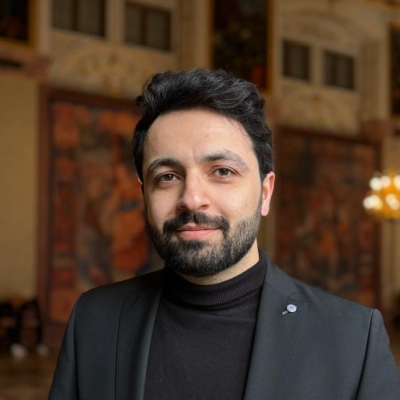
Dr. Sulaiman Shojai -
Structural Engineer,
DLR, Institute of Maritime Energy Systems
• Use of current standard fatigue curves and their limitations with respect to environmental influences
• New corrosion-fatigue database and its significance for extending service life
• Use of notch stresses and the actual condition of components to assess remaining service life

13:10 - 14:30
Lunch Break and Networking
Load Modelling and Its Impact on Foundation Design
14:30 - 15:00
Innovating Offshore Foundations – Smart Bolting Solutions from Design to Installation
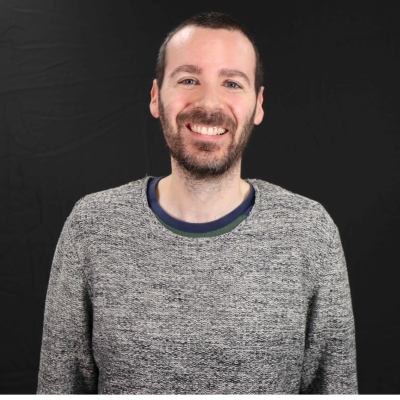
Jon Mendiola -
Technical Director,
Erreka Smart Fastening
- Smart design & compliance: Sensor-integrated fastening (EDB), optimized joints, and
- DNV-aligned design strategies
- Execution & operations: Manufacturing, assembly efficiency, bolting expertise, and installation time constraints
- Tooling & digital innovation: Advanced bolting solutions and real-time load monitoring for improved reliability and control

15:00 - 15:30
Damping assumptions for the load calculations process
Dr.-Ing. Marc Seidel -
Principal Engineer,
Siemens Gamesa
Hauke Gülzau - Senior Key Expert Offshore Loads, Siemens Gamesa
15:30 - 16:00
Design of damping in offshore wind structures
Lukas Schneider -
Chief Engineer,
ESM GmbH & Co. KG
• ESM GmbH in the wind industry: vibration specialist, product developer and supplier for damping solutions in onshore and offshore applications.
• Structural damping concepts and applications: TMDs for first and second mode vibrations during turbine operation and tower installation, including performance against VIV.
• Advanced and new damper developments for offshore towers, addressing increasing dynamic loads, reliability and cost efficiency.
• Extended offshore applications, including gearbox supports and couplings, as well as noise reduction in the sea caused by wind turbine operation.

16:00 - 16:30
Coffee Break and Networking
16:30 - 17:00
RUNWAVE: Reduction of Uncertainties in WAVE Load Design for Bottom-Fixed Offshore Foundations Using a Probabilistic Approach
Niek Bruinsma -
Senior Researcher and Consultant Offshore Energy,
Delatres
Erik-Jan Ridder - Senior Project Manager, Maritime Research Institute Netherlands (MARIN)
• Probabilistic approach for wave loads
• Reduce uncertainties in design
• Optimize bottom-fixed foundations
• Lessons Learned and Application


Roundtable Session
17:00 - 17:30
Roundtable A - Novel Installation Methods for Monopiles: From concept to prototype to offshore reality
Tobias Koole -
Development Manager T&I,
Vattenfall
Towards a Joint Industry Project for testing novel Monopile installation methods under realistic offshore conditions

17:00 - 17:30
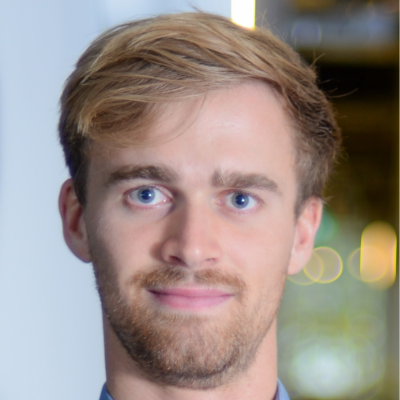
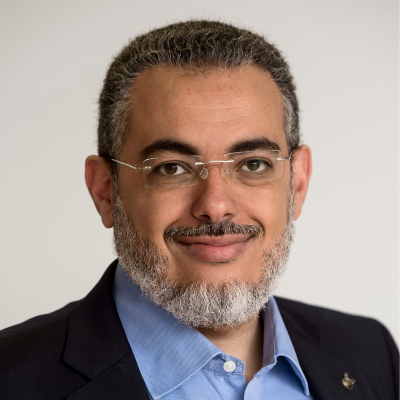
Roundtable B - Optimizing Offshore Wind Operations: Cross Industry Lessons and Oil & Gas Insights for Reducing OpEx
Christopher Robinson -
Senior Engineer,
KENT ENERGIES UK LTD
Ahmed Abdelaah - Senior Foundations Engineer, Jera Nex
Operational efficiency is becoming an increasingly critical focus as offshore wind projects face rising cost pressures. In this roundtable, experts and participants will explore how proven monitoring and inspection approaches from the oil & gas sector can support smarter and more cost-effective operations in offshore wind. Drawing on cross industry experience, the discussion will highlight practical methods for reducing OpEx, improving reliability, and making better use of operational data.
17:00 - 17:30
Roundtable C - Geotechnical Challenges and Opportunities in Offshore Wind
Ana Page -
Head of Section Computational Geomechanics,
Norwegian Geotechnical Institute
This roundtable focuses on key geotechnical issues across the offshore wind project lifecycle - from ground model development and concept selection through detailed design, installation, operation, life extension, and decommissioning. Discussion will highlight practical challenges, recent advances, and areas where further innovation is needed to reduce risk and costs.
17:00 - 17:30
Roundtable D - Understanding buckling in current and next generation (XXL) monopiles through numerical studies and optimization
Ömer Can Kücükyildiz -
Leading Specialist Offshore & Geoscience,
COWI A/S
This roundtable explores buckling in current and next generation (XXL) monopile foundations from a multidisciplinary perspective. We will discuss how geotechnical conditions, structural loads and fabrication imperfections interact in ways that remain conservative and/or insufficiently understood in current industry practice, limiting potential for optimization. The session will also highlight how improved numerical methods and FE simulations can support de-risking and more cost effective monopile design.
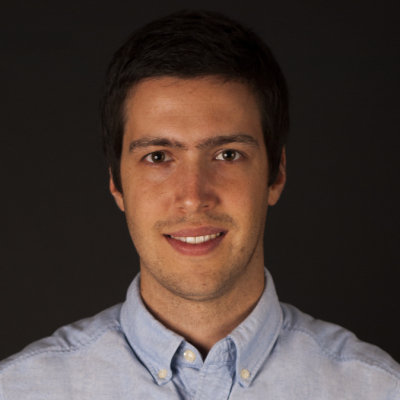

17:00 - 17:30
Roundtable E - L-Flange Design - Complexity in value chain and conservatism of standards in L-Flange design.
Peter Mortensen -
Senior Specialist, Offshore Structures, Tower R&D,
Vestas Wind Systems A/s
Statement: Complexity and conservatism has reached a threshold, that leads to a significant cost-out for the industry implementing planned machining of structural flanges!
In this Roundtable two options are discussed.
1. Increased fatigue strength in the Bolts together with increased pre-load is used to cancel out the increased conservatism in the standards. Complexity in value chain remains.
2. Planned machining of large flanges have been proven to be a realistic solution. Approach will eliminate significant costly steps in the value chain. Simplicity rules.
What should the cost for planned machining of the flange target in order to be the selected solution?
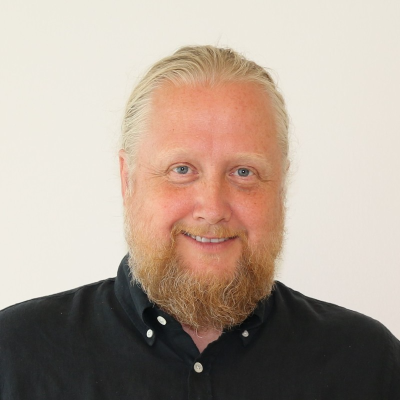

17:40 - 18:40
Deep Dive B: Optimising lifecycle value at scale: Data-driven support structure integrity
Johan Toftekær -
Senior Engineer,
Vattenfall
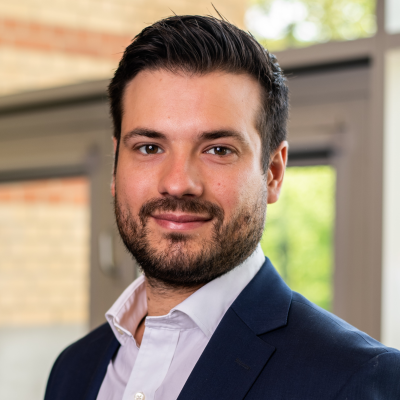
Nadir Azam - Strategic Advisor, Ezysone
Jan Becker Høgsberg - Associate Professor, Department of Civil and Mechanical Engineering, Technical University of Denmark
This co-hosted session presents how business needs, data-driven strategy and technology can be aligned to create operational value at scale, illustrated through real-world implementation examples from Vattenfall's offshore wind portfolio.
Building on these challenges, Nadir Azam from Ezysone presents his Value-Driven Approach to Structural Integrity, providing the strategic basis for the transition. Johan Toftekær from Vattenfall will then demonstrate how these principles have been implemented in practice, presenting real-world examples of data-driven support structure integrity and how it enables value creation across the lifecycle through upfront lifetime extension and more effective asset management. Associate Professor Jan Høgsberg from DTU concludes with perspectives on data sharing, collaboration, and the continued evolution of data-driven offshore wind.

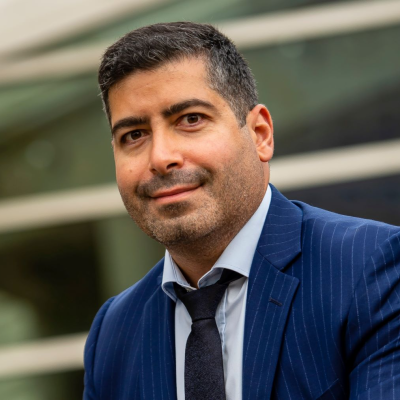

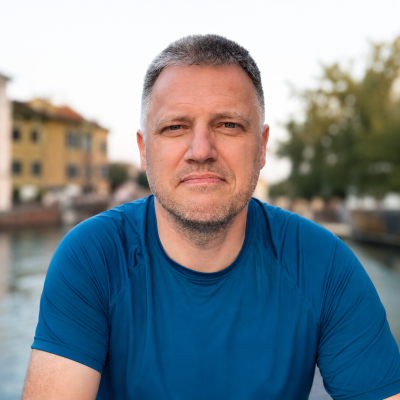
Jan Becker Høgsberg
Associate Professor, Department of Civil and Mechanical EngineeringTechnical University of Denmark